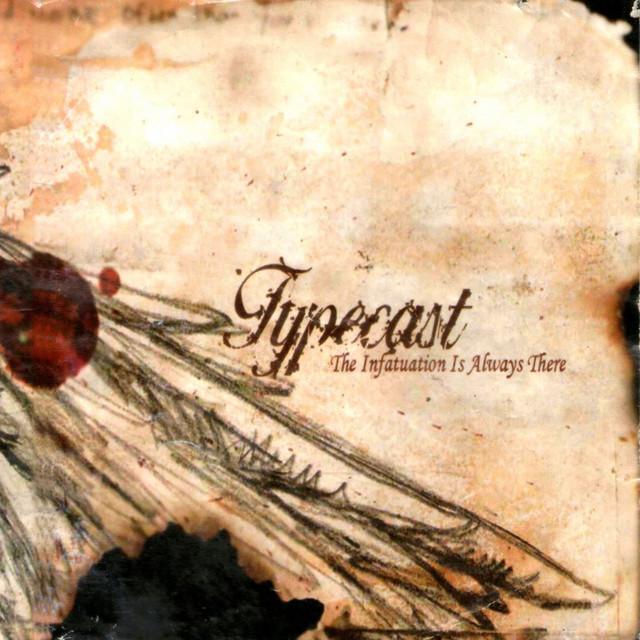
Out Comes The Brave by Typecast
A wounded mind, reaching for courage
The meaning of Out Comes The Brave Typecast seems rooted in an inner battle. From the lyric excerpt provided, the song presents someone whose emotions have started to cave in under pressure. They feel mentally cornered, physically drained, and unsure whether they can trust their own thoughts.
"Out Comes The Brave" - Typecast
Loading lyrics...
Unable to load lyrics
We're unable to display the lyrics at this time. Please try again later.
What keeps the song compelling is that it does not stay in pure despair. Buried inside the confusion is a push toward self-determination. When the speaker says make my own fate
, the song opens a door: bravery is not loud heroism, but the difficult act of reclaiming control when everything inside feels broken.
The voice of the song feels painfully personal
Even though this article is written in third person, the song itself clearly uses a first-person voice. That matters because it makes the emotional crisis feel immediate rather than abstract. Phrases like prove I am wrong
and am I always wrong?
show a person arguing with themselves as much as with the outside world.
This suggests the central conflict is not just against another person. It is also against a damaging inner voice. The speaker sounds like someone who has absorbed criticism so deeply that they now repeat it internally.
A body under pressure, a mind under attack
One of the strongest images is weakened the senses
. In plain terms, the song describes emotional pain as something physical. Their body and mind are not separate here. Confusion affects perception, and stress drains strength.
Another striking phrase is weak body
, followed by the sense of being surrounded by forceful language. That pairing suggests a mismatch between the speaker’s fragility and the harshness around them. Whether those bold words
come from another person, a hostile environment, or their own thoughts, the effect is the same: they feel overpowered.
What the lyrics seem to say, step by step
The available lines can be read as a short emotional timeline:
- Passion collapses, and the speaker loses clarity.
- Their mind becomes a place of doubt and self-testing.
- They imagine escape in dark terms, which shows how serious the despair feels.
- A counter-thought emerges: they may still shape their future.
- They remain stuck on one repeated fear—being wrong.
That structure gives the song dramatic tension. It moves from breakdown toward the possibility of resolve, but it does not pretend recovery is simple. The bravery in the title seems to arrive in flashes, not all at once.
The title changes the whole interpretation
Without the title, these lyrics might read only as a confession of collapse. But Out Comes The Brave reframes the song. It implies that courage is something hidden that emerges under stress.
Interpretation: the title may be intentionally ironic at first. The speaker does not sound brave in the usual sense. They sound scared, battered, and exhausted. Yet the song argues that bravery often appears exactly there—in the moment a person admits fear and still chooses to continue.
That makes the line make my own fate
the emotional hinge of the track. It is the clearest sign that the speaker is resisting helplessness.
Themes: self-doubt, agency, and survival
Several themes stand out in this lyric fragment:
- Self-doubt: The repeated questioning shows a person who distrusts their own judgment.
- Mental and physical strain: The language links emotional pressure with bodily weakness.
- Agency: The idea of shaping one’s fate introduces personal responsibility and hope.
- Survival: Even when the song brushes against hopeless thoughts, it keeps returning to struggle rather than surrender.
This is why the meaning of Out Comes The Brave Typecast feels larger than sadness alone. It is about the painful gap between feeling powerless and trying to become stronger.
How the sound likely carries the message
No verified production credits were provided, so specific factual claims about the recording should be avoided. Still, based on the lyrical intensity, the song likely works best if the arrangement mirrors that emotional pressure.
Interpretation: if Typecast leans into a heavy or emotionally charged rock sound, that would fit the words well. Tense guitars, urgent drums, and a strained vocal delivery would underline the feeling of mental overload. Softer passages would make the moments of self-questioning feel intimate, while louder sections could represent emotional collapse or defiance.
This kind of dynamic contrast would match the title too. Bravery in a song like this is not calm and polished. It would sound rough, earned, and unstable.
A possible second reading
There is also another way to read the lyrics. Interpretation: the speaker may be responding to someone else’s verbal control or criticism. The mention of being surrounded by harsh language hints at an environment where words are used like weapons.
If that reading is right, the song is not only about inner struggle. It is also about the damage caused by external judgment. In that version, bravery means refusing to let another voice define one’s worth.
Why the song resonates
What makes these lines memorable is their honesty. They do not offer a neat motivational speech. Instead, they show courage forming inside confusion. The speaker is still hurt, still unsure, and still asking difficult questions.
That is exactly why the song can connect with listeners. Many people know what it feels like to be worn down by pressure yet still search for one solid belief to hold onto. Here, that belief is simple but hard-won: they may not control everything, but they can still choose their direction.
Final takeaway
The meaning of Out Comes The Brave Typecast is best understood as a portrait of courage emerging from self-doubt. Its lyrics describe collapse, intrusive uncertainty, and emotional weakness, but they also point toward agency and endurance.
In other words, the song suggests that bravery is not the absence of fear. It is what appears when a person feels close to breaking and still tries to reclaim their fate.
Disclaimer: This interpretation is based on the lyric excerpt provided and should be read as informed analysis, not a confirmed statement of artist intent.







