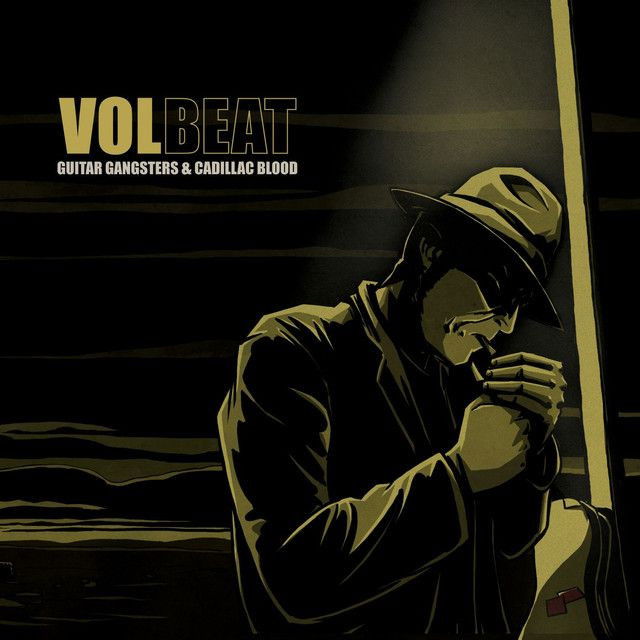
Hallelujah Goat by Volbeat
Volbeat often mix heavy riffs, rockabilly swing, and dark humor, and “Hallelujah Goat” fits that lane well. The meaning of Hallelujah Goat Volbeat seems rooted in rebellion against easy religious answers, while also showing a world where people search for love, blame evil, and struggle to face their own guilt.
"Hallelujah Goat" - Volbeat
Brand new fire rose
All the days of wine and pitiful lie, the pitiful rhymes
Loading lyrics...
Unable to load lyrics
We're unable to display the lyrics at this time. Please try again later.
This reading is based on the lyrics provided and on Volbeat’s broader style as a Danish rock/metal band known for blending metal with classic rock influences. Songwriting credits list Michael Poulsen and Jon Larsen.
A Devil Image Used as a Mirror
At the center of the song is the strange title phrase Hallelujah Goat
. That image appears to fuse sacred language with a symbol often tied to the devil. Rather than praising evil in a simple way, the song seems to use that clash to provoke.
Interpretation: the goat figure works like a mirror. It reflects how people talk about sin, fear, and blame. When the lyric says the lord above
has never been on anyone’s side, the song pushes against the idea that suffering can be neatly explained by religion.
That does not mean the track is anti-faith in a narrow sense. It sounds more like a protest against hypocrisy, abandonment, or moral simplification. The lyrics keep asking what happens when heaven feels absent and hell feels present now.
Watch the official Hallelujah Goat
music video
Where the Story Starts Falling Apart
The opening verse begins with a rough portrait of someone who has survived, changed, or escaped an older false life. Phrases about old lies and old rhymes suggest a past full of illusion. The image of a new rose made of fire hints at rebirth, but not a peaceful one.
That matters because the song does not open in pure chaos. It opens after disappointment. Someone has already seen through the fake comfort of the past, and now they move through a harsher truth.
The verse in plain terms
Here is the basic movement of the first section:
- A figure finds a new path.
- The old life of lies is over.
- The future looks brutal, not comforting.
- Hell is no longer distant.
That is why Hell is here
lands so hard. The song is not mainly about the afterlife. It is about present human experience: pain, anger, temptation, and social blame happening right now.
What the Chorus Really Pushes Back Against
The chorus is the key to the meaning of Hallelujah Goat Volbeat. It puts divine absence next to physical action. The singer does not wait for rescue. Instead, the central figure keeps moving, almost like a fighter stepping through fire.
Walking through a fire like a soldier
Kicking the door
Even in this short moment, the message is clear: endurance matters more than purity. The song values movement, confrontation, and survival over passive belief.
Interpretation: this is where the “goat” image stops being just satanic decoration. It becomes a symbol of defiance. Whether that figure is a demon, an outcast, or a side of human nature, it represents the force that keeps going when holy certainty fails.
Heaven, Blame, and Human Nature
Later, the song becomes more openly philosophical. It asks where heaven has gone and says people are searching for love. That line changes the whole emotional tone. Under the swagger and aggression, there is a real sadness.
The next idea is even sharper: people find it easy to blame the horned
one. In other words, they may blame the devil instead of admitting their own role in suffering and wrongdoing. The lyric Man kind the sinner
points the finger back at humanity.
This is one of the song’s strongest themes. Evil is not only some outside monster. It is also human weakness, violence, and denial. That makes the track feel less like horror storytelling and more like a moral challenge.
How Volbeat’s Sound Strengthens the Meaning
Volbeat are widely known for combining metal punch with groove-heavy rock and rockabilly rhythm, a style heard across their catalog and noted in band bios and coverage of their work. That matters here because “Hallelujah Goat” reads like a song built for stomp, swing, and menace at once.
The lyric images are fiery and confrontational, so a tight rock arrangement would reinforce that sense of marching through danger rather than collapsing under it. Even on the page, the repeated refrain feels designed to hit with a chant-like force.
Michael Poulsen’s writing often leans on blunt, memorable hooks instead of dense poetry. In this song, that directness helps. The ideas are large, but the phrases are simple, which makes the conflict feel physical and immediate.
Two Plausible Ways to Read It
Reading one: a revolt against religious hypocrisy
In this interpretation, the song attacks systems that promise moral certainty but leave people alone in pain. The missing heaven, the absent lord, and the present hell all support that reading.
Reading two: a fight with the dark side within
This version treats the goat and devil imagery as inner symbols. The song then becomes a confrontation with rage, guilt, and survival instinct. The point is not to celebrate evil, but to admit it exists inside ordinary people.
Both readings can work at once. That layered ambiguity is part of the song’s appeal.
Why “Hallelujah Goat” Still Sticks
What makes this track memorable is its mix of mock-religious language, hard-rock momentum, and uncomfortable honesty. It suggests that people want love and meaning, but they also want someone else to blame when life burns.
So the meaning of Hallelujah Goat Volbeat is best understood as a dark, defiant look at sin, blame, and survival. It turns devil imagery into a challenge: stop outsourcing evil, face what is human, and keep walking through the fire.
Disclaimer: This interpretation is based on the lyrics provided and publicly known context about Volbeat’s style. As with many rock songs, meanings can stay open to more than one valid reading.








