Why AJR’s “Burn the House Down” Hits So Hard
The meaning of Burn the House Down AJR comes from a simple but powerful question: when people see lies, corruption, or empty performance, should they stay quiet or speak up? AJR turns that tension into a pop anthem that sounds playful on the surface but carries real anger underneath.
"Burn the House Down" - AJR
Used to be a fool
All about the bounce in my step
Loading lyrics...
Unable to load lyrics
We're unable to display the lyrics at this time. Please try again later.
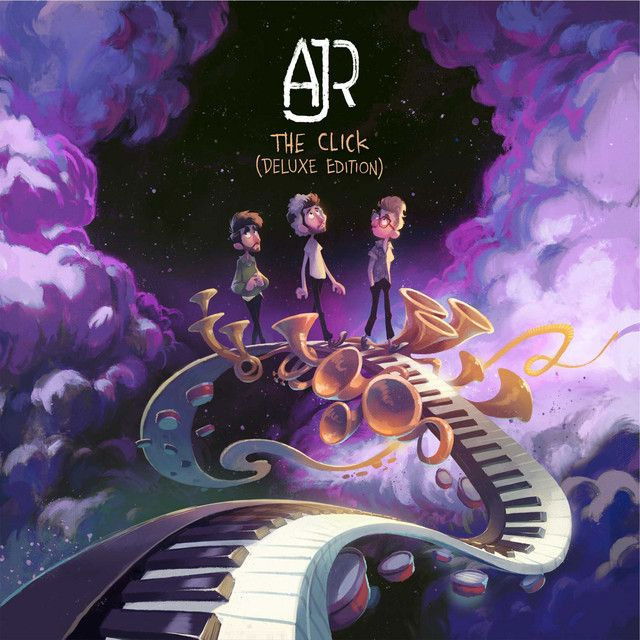
Released on March 23, 2018, as a single from The Click (Deluxe), the song arrived during a moment when public protest, online activism, and distrust of institutions were all highly visible in the U.S. Factually, AJR connected the track both to the political climate and to Super Size Me 2, after Morgan Spurlock asked them for a theme song. Ryan Met said the band wanted to capture the power their generation had to make change, according to reporting summarized by Wikipedia.
The Real Target of the Fire
At its core, the song is not about literal destruction. It uses the image of burning a house down as a metaphor for tearing apart a dishonest system. The “house” can represent media spin, political corruption, fake entertainment, or any structure that asks people to smile and go along with what they know is wrong.
Early lines show a speaker who once tried to avoid conflict. Phrases like keep it cool
and hit refresh and forget
suggest someone tempted to scroll past bad news and move on. That idea feels modern and specific: there is always another headline, another distraction, another reason to do nothing.
Interpretation: AJR seems interested in the moral cost of that passivity. The song asks what happens when ignoring the problem becomes part of the problem.

Watch the official Burn the House Down
music video
From Silence to Action
One of the smartest parts of the song is how clearly the narrator changes. At first, they wonder if staying light and non-political is safer. They even ask whether anyone would listen if they used music to point out what is wrong.
That matters because AJR has often balanced quirky pop with sincerity. Here, they dramatize an artist’s fear: if they say too much, will they lose their platform? The line about whether they will be allowed to sing on TV captures that anxiety without needing a long explanation.
Then the song turns. Instead of staying neutral, the narrator starts to confront the people in power. The accusation serving lies
is direct and blunt. So is something to hide
. By the chorus, the speaker is no longer asking permission.
Should I hang my head low?Should I bite my tongue?Or should I marchto get shit done?
That is the song’s emotional center. It takes a private debate and turns it into public commitment.
Why the Chorus Feels So Big
The chorus works because it sounds communal. When AJR sings burn the whole house down
, the phrase lands like a rallying cry rather than a diary entry. The repetition makes it feel like more people are joining in each time.
Interpretation: In that sense, the hook is about collective action. The song is less interested in one hero fixing everything than in a crowd deciding it has had enough. That reading fits the later mention of strangers online coming together. Even if the reference to Twitter feels very 2018, the idea still makes sense: scattered frustration can become a movement.
The Images: News, Stages, and Masks
The verses mix three worlds together:
- The news cycle — where people watch, refresh, and feel overwhelmed.
- The stage — where performers entertain while hiding truth.
- The street protest — where private frustration becomes public action.
That blend is important. AJR suggests that politics can feel like theater and entertainment can feel dishonest too. The line about a room full of entertainers and thieves pushes that idea hard. The song’s anger is not only toward elected leaders; it is also aimed at the broader culture of spectacle.
This makes the meaning of Burn the House Down AJR bigger than a single issue song. It is about distrust of polished performances, especially when those performances cover up harm.
How the Sound Carries the Message
Musically, the song supports that reading almost perfectly. According to the song’s documented composition notes, it runs at 92 BPM in A minor and began with what AJR described as an angry bassline, later built out with distorted kick, clap-heavy snare, piano, organ, and a pitch-bended trumpet hook, as summarized by Wikipedia.
That production choice matters. The low end feels stomping and confrontational. The brass-like hook sounds bold, almost like a parade band marching into a fight. Meanwhile, Jack Met’s vocal delivery walks a line between anxiety and swagger, which matches the lyrics’ movement from doubt to defiance.
Rather than making a dark protest song in a traditional rock style, AJR wraps protest energy inside bright, theatrical pop. That tension is part of why the track stands out.
Context Makes the Meaning Stronger
The song also gained extra meaning through how it was used. It appeared in connection with March for Our Lives’ “Road to Change” campaign, and AJR worked with the group around voter registration and anti-gun-violence education, according to Wikipedia. Adam Met later said they did not originally see AJR as a band leading a political charge, but the song helped them question their own responsibilities.
That context sharpens the message: this is not a lecture from artists pretending to have all the answers. It is a song about wrestling with whether speaking up is part of their job.
Commercially, it also connected. The track peaked at No. 2 on Billboard’s Alternative Airplay chart and has earned multi-platinum certification in the U.S., showing that a song with protest energy could still break into mainstream listening, as summarized by Wikipedia.
The Last Word on AJR’s Anthem
In the end, the meaning of Burn the House Down AJR is about refusing comfortable silence. It captures the moment when watching, scrolling, and doubting no longer feels enough, and speaking out starts to feel necessary.
Interpretation: The song’s “fire” is really moral urgency. It is about tearing down lies, not homes.
Disclaimer: Song meaning is interpretive. Unless AJR has confirmed a specific line-by-line intent, parts of this reading remain informed interpretation based on lyrics, context, and documented background.








