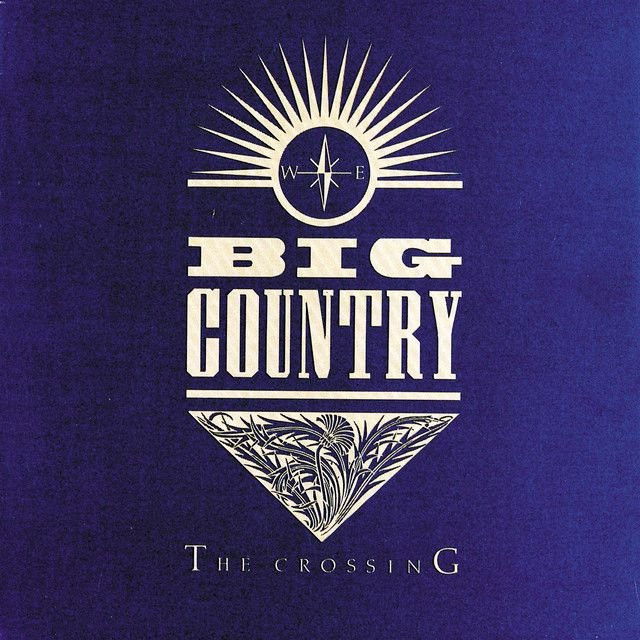
The Storm by Big Country
They wrote The Storm like weather moving across a coastline—calm, flash, and aftermath. For listeners in the United States searching for the meaning of The Storm Big Country, the song frames a universal question: when violence begins, can anyone control where it ends? The narrator looks back on a chase born of anger and arrives at a vow for peace, set against a soundscape that feels like rain closing in and then breaking.
"The Storm" - Big Country
The winter closed in and the crows filled the sky
The houses were burning the flames gold and red
Loading lyrics...
Unable to load lyrics
We're unable to display the lyrics at this time. Please try again later.
A Civil Tempest: What This Song Is Really Saying
The song sets a scene of homes burning and people fleeing. It reads as a cycle of revenge: injury, pursuit, and a reckoning neither side truly wins. By the end, the narrator rejects payback and asks for strength to choose peace.
Interpretation: The Storm weighs the pull of belonging against the price of blood loyalty. The narrator claims a place and a people, yet sees the moral bill come due. The power lies in that pivot—from rage to responsibility—without ever pretending the loss can be undone.
Watch the official The Storm
music video
Who Speaks in the Rain—and to Whom?
The voice is first-person and grounded, opening with I came from the hills
. They speak to "James," likely a comrade or loved one rather than an enemy. That address pulls the song inward. This is not a nation issuing a decree; it’s one person, rattled by what they’ve done and seen.
Interpretation: James functions as conscience and witness. Naming someone keeps the story human; in a storm of history, they hold on to a single hand.
From Hills to Thunder: The Story Arc in Brief
- The narrator returns to a home ground already in flames and chaos.
- Grief hardens into pursuit; they admit to
hate in my eyes
. - The weather turns, and
hunters and hunted
are leveled by rain and fire. - They grasp that there’s no way back to innocence, only forward to a different choice.
Across these beats, the song replaces certainty with consequence. The chase begins as justice and ends as tragedy, shared by both sides.
Chorus as Truce: The Promise at the Center
The heart of the song is the vow that follows the violence. It isn’t triumphal; it’s a request for the courage not to retaliate again. The chorus sounds like a prayer whispered through thunderclouds:
Let the strength of peace run through my hand Then I will be afraid no more And now I'm sure of where I stand
Interpretation: The vow’s power lives in its present tense. Peace isn’t an outcome they can guarantee; it’s a practice they choose, hand by hand, moment by moment.
Symbols in the Squall: Fire, Crows, and Rain
The images work like warning signs on an old road. The crows filled the sky
hints at omens and the inevitability of loss. Flames on homes signal violated safety, not glory. When the storm breaks, nature refuses to pick a side; it washes all players into mud and fear.
The line nobody smiled
after they reclaim territory underlines the hollowness of victory. They took back our own
, but the price is carried in silence. Interpretation: The sky, the birds, and the rain act as witnesses. Weather names the truth people try to deny.
How the Band Makes Weather: Sound and Production
On The Crossing (1983), producer Steve Lillywhite shapes a wide, elemental mix that Big Country fill with Celtic-tinged guitars and martial drums. The arrangement swells and recedes like wind over open ground. Guitars often mimic pipes or fiddles, a hallmark of the band’s sound, while toms roll like distant thunder.
Interpretation: The minor-key pull and roomy reverb stretch the horizon. The drum accents feel like lightning strikes, and the guitar harmonies crest like waves. The production isn’t just backdrop; it is the storm system carrying the lyric’s conflict toward its fragile clearing.
History in the Background: Possible Inspirations
Big Country often wrote from Scottish landscapes and memory, so some listeners hear echoes of clan wars or later displacements. Still, the lyric avoids dates and banners. That choice keeps the story portable. A phrase like took back our own
can signal any struggle over land or identity.
Interpretation: The song invites listeners to map their own histories—family feuds, civic unrest, or inherited grievances—onto its path from anger to restraint.
Other Readings That Still Fit
- An internal battle: the storm is a mind in turmoil, the chase an impulsive spiral.
- A parable of modern conflict: each side sees itself as victim first, victor second, and survivor last.
Either way, the destination is the same: peace chosen not because it erases pain, but because it prevents the next wound.
Takeaway: After the Clouds Break
The meaning of The Storm Big Country rests in its turn from retaliation to responsibility. They can’t return to innocence, but they can refuse another cycle. Interpretation is subjective; this reading draws on the lyrics, sound, and known context around the song.