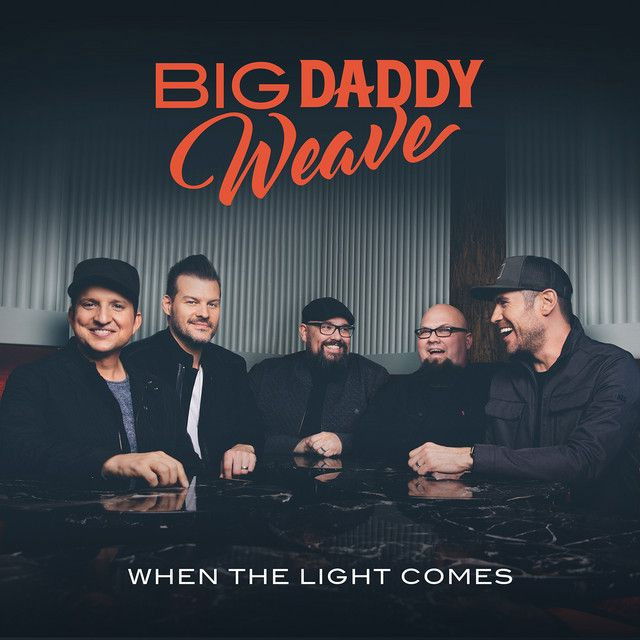
Why 'I Know' by Big Daddy Weave Comforts
The meaning of I Know Big Daddy Weave comes into focus through a simple tension: they do not sing as if faith removes pain, but as if faith gives pain a place to go. The song speaks to people who still have questions, still hurt, and still choose trust.
"I Know" - Big Daddy Weave
But You hear me when I speak
You don't keep my heart from breakin'
Loading lyrics...
Unable to load lyrics
We're unable to display the lyrics at this time. Please try again later.
That is why it lands so deeply. Instead of promising instant relief, it says heartbreak, sorrow, and fear are real. Yet it answers those realities with a steady confession of God’s character.
A Faith Song Built on Honest Limits
At its core, the song is about confidence without complete understanding. The speaker admits that not every prayer gets a clear answer and not every wound is prevented. Early lines describe a God who does not stop all suffering but stays near inside it.
That distinction matters. The message is not “everything is fine.” It is closer to this: even when life breaks apart, they believe God is still good.
A few short phrases show that balance: hear me when I speak
, weep with me
, and calm within the storm
. Each phrase is brief, but together they build the song’s worldview. God is presented less as a shield from all pain and more as a companion through it.
Where the Chorus Finds Its Strength
The chorus gives the song its emotional center. After verses filled with grief and uncertainty, the repeated line You are good
becomes a deliberate act of trust.
This is what makes the chorus powerful: it is not based on easy circumstances. It is based on remembered truth. The singer moves from what they cannot explain to what they believe they have learned through experience.
Interpretation: the repeated word “know” is the whole point. They are not claiming perfect knowledge of God’s plans. They are claiming enough evidence of God’s goodness to keep going.
Sorrow, Safety, and the Christian Hope
One of the song’s strongest ideas is that sorrow and safety can exist at the same time. The lyrics describe overwhelming emotional weight, but they also insist that the speaker does not carry it alone.
That mix reaches its clearest theological point in the phrase to live is Christ
. This echoes Philippians 1:21, a well-known Bible verse. In context, the line widens the song’s meaning beyond comfort in hard days. It says Christian hope is strong enough to face even death.
On my darkest day
From my deepest pain
Through it all, the heart chooses praise.
That brief bridge matters because it shows praise as a choice, not just a feeling. The song does not pretend that worship comes naturally in pain. It presents praise as something they decide to do while still hurting.
The Images That Carry the Message
The song uses familiar Christian images, but it uses them well. Storms, fire, darkness, and heavy burdens all appear as emotional symbols.
- Storm suggests chaos and confusion.
- Fire points to testing, suffering, and endurance.
- Darkest day marks despair and loneliness.
- Weight makes grief feel physical and hard to carry.
These motifs are effective because they are easy to recognize. A listener does not need to decode complicated poetry. The images quickly connect private pain to shared spiritual language.
How Big Daddy Weave’s Style Supports the Meaning
Big Daddy Weave are known in contemporary Christian music for direct, congregational writing and emotionally open performances. The songwriters here are Benji Cowart, Hank Bentley, and Mike Weaver, whose names are associated with accessible worship-focused storytelling.
The production matches the lyric’s purpose. Rather than sounding flashy, the arrangement likely aims for gradual lift: soft verses, fuller chorus, then a more forceful bridge. That arc mirrors the song’s emotional movement from confession to assurance.
In practical terms, the music supports the message in three ways:
- Steady rhythm gives the song a grounded, reassuring feel.
- Layered chorus vocals make the truth claims sound communal, not isolated.
- Dynamic build turns private pain into shared worship.
Interpretation: this kind of arrangement helps listeners feel carried. Even if the words begin in loneliness, the music gradually surrounds them with support.
Why the Song Feels Personal to So Many People
The meaning of I Know Big Daddy Weave connects because it avoids two extremes. It does not say suffering means God is absent. It also does not say faith requires pretending everything makes sense.
Instead, the song gives listeners a middle space. In that space, they can grieve, question, and still trust. For many Christians, that feels more believable than songs that rush to triumph.
Another reason it resonates is its plain language. There is no need for obscure metaphor or complex theology to understand the emotional point. The writing is simple enough for group singing, yet specific enough to feel intimate.
A Final Reading of What "I Know" Means
Taken as a whole, the song is a testimony of tested faith. It says God’s goodness is not proved by a pain-free life, but by divine presence in the middle of pain.
That is the heart of the song’s comfort. They do not claim to see everything clearly. They only claim they have seen enough to keep trusting.
For listeners walking through grief, illness, fear, or uncertainty, that message can feel both realistic and hopeful. The song turns faith from a demand for certainty into a decision to hold on.
Disclaimer: This interpretation is based on the released lyrics, the song’s Christian context, and Big Daddy Weave’s style. As with any song, individual listeners may hear its meaning differently.







