Why 'The Enemy' Feels Like a Street Trial
The meaning of The Enemy Big L, Fat Joe centers on pressure, profiling, and survival after success. On the surface, the song sounds like a tough street record. Underneath, it is really about two rappers saying that even when they try to go legit, the system still treats them like criminals.
"The Enemy" - Big L ft. Fat Joe
Iced out watch Knots in my socks
Cops think I'm selling rocks
Loading lyrics...
Unable to load lyrics
We're unable to display the lyrics at this time. Please try again later.
Big L and Fat Joe frame success as something that should bring freedom, but instead brings more suspicion. Nice cars, jewelry, and public fame do not protect them. In their telling, those things make police and federal agents look even harder. That tension gives the song its title: the “enemy” is not one rival person. It is a whole force of surveillance, harassment, and assumed guilt.
A Story of Success That Still Feels Dangerous
Big L opens with movement through Harlem and quickly turns that scene into a stop-and-search drama. They describe being pulled over, judged by appearance, and treated like guilt comes first. When they say they are stayin legit
, the point is simple: they believe they have changed their path, but the people with power do not believe them.
That is what makes the verse sting. Big L does not present success as glamorous for long. He keeps showing how money attracts attention from police, not peace. Even when he says I do tours
, he is pushing back against the idea that his income must still come from crime.
This creates one of the song’s main themes:
- wealth does not erase suspicion
- public image can become evidence against you
- escaping street life does not mean the street, or the law, lets go
Watch the official The Enemy
music video
The Hook Turns Frustration Into the Song's Thesis
The chorus is direct and memorable because it turns a personal complaint into a wider social argument. The repeated question about why they end up in trouble sounds exhausted, not confused. They think they know exactly why it keeps happening.
Why do I end up in so much shit?
Jake wanna lock me up, even though I'm legit
That brief hook sums up the emotional core of the track. They are not asking for pity. They are pointing to a system that sees a young Black or Latino man with money and assumes crime before proof.
Interpretation: the chorus works almost like testimony in court. Instead of proving innocence with documents, they present their own lived experience. The repetition matters because harassment, in their view, is repetitive too.
Big L's Verse: Harlem Pride Meets Constant Scrutiny
Big L’s writing is sharp because he mixes bragging with defense. He boasts about wealth and status, but each flex has a purpose. It is not only rap competition. It is also proof that his life has changed.
When he says pockets dumb fat
, he is showing confidence, but he also knows that visible wealth brings a target. The police in the song do not read prosperity as success. They read it as probable cause. That gap between self-image and outside judgment drives the whole verse.
Another key detail is his refusal to sound scared. He talks back. He mocks the officers. He insists they are angry because they earn less and hold less cultural power. Whether listeners agree with that exact claim or not, it shows how he protects dignity. If the state tries to reduce him, his answer is swagger.
Fat Joe's Verse: From Street History to Business Legitimacy
Fat Joe’s guest verse broadens the song. He echoes Big L’s point about federal attention, but his verse leans harder into legacy and responsibility. They mention leaving street life behind and wanting to build enough wealth to create opportunities for others.
That matters because it shifts the song from defense to aspiration. Fat Joe is not only saying, “I did not do this.” He is also saying, “I am trying to become something bigger.” His line about owning businesses reframes success as structure, not flash.
He also brings a code of loyalty into the track. That code makes the pressure feel deeper. Law enforcement is not just chasing money in the song; it is trying to break identity, community, and pride. In that reading, the enemy is both external force and moral test.
The Production Sounds Like a Chase Scene
The production, credited to Showbiz, fits the message with dark economy and tension. Showbiz was a respected New York producer tied to Diggin' in the Crates, the collective that also included Big L and others in the East Coast scene. The beat uses a heavy drum backbone and a moody sample that feels tense rather than triumphant.
That sound matters. The record does not celebrate luxury with sparkle. It sounds shadowy, watchful, almost claustrophobic. The short vocal sample asking what happens if an enemy comes at you turns the song cinematic. It feels like a warning voice before a confrontation.
Interpretation: the beat mirrors surveillance. The drums hit like footsteps or knocks, while the sample makes paranoia feel real. Even before the lyrics spell it out, the instrumental suggests that somebody is always closing in.
Artist Context Makes the Message Hit Harder
Big L built a reputation as one of New York’s sharpest lyricists, admired for technical punchlines and vivid street detail. Fat Joe, another Bronx and uptown rap heavyweight, often balanced street credibility with stories of ambition and business growth. Their pairing makes this song feel grounded in real urban pressure rather than abstract politics.
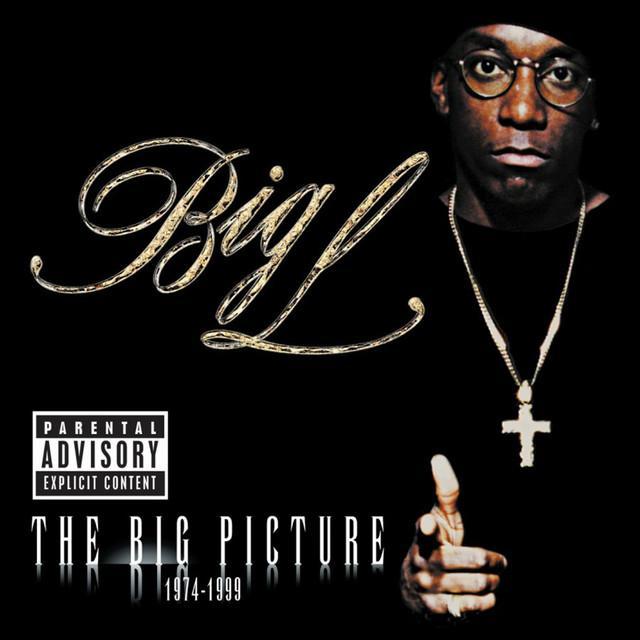
The track appeared on Big L’s posthumous album The Big Picture, released in 2000 after his death in 1999. That context gives the song extra weight for many listeners. What already sounded defiant now also sounds haunted. Their insistence on survival and legitimacy feels even sadder in hindsight.
So What Is 'The Enemy' Really Saying?
The best way to read the song is as a protest wrapped in battle-rap confidence. The meaning of The Enemy Big L, Fat Joe is not just that police are unfair to two rappers. It is that social systems often refuse to recognize transformation when it comes from young men already marked by class, race, neighborhood, or past reputation.
The song argues that success does not end suspicion. Sometimes it sharpens it. Big L and Fat Joe answer that pressure with flexes, anger, humor, and a demand to be seen as more than a file or stereotype.
That mix is why the song still lands. It is tense, proud, and bitter at the same time.
Disclaimer: This article offers interpretation based on the lyrics, performance, and known artist context. Some meanings may reasonably differ from listener to listener.







