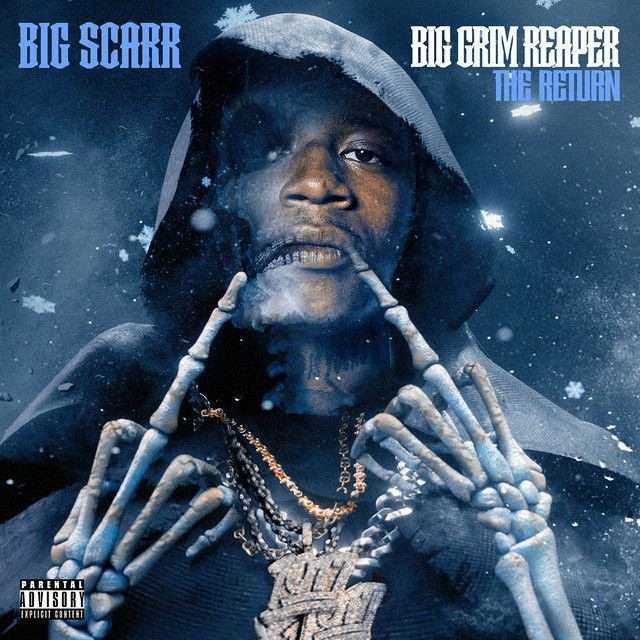
Rush Hour by Big Scarr
They don’t call it “rush hour” for nothing. Big Scarr’s track compresses pressure, speed, and survival into a tight, breathless ride. The hook’s image—In traffic like rush hour
—turns daily gridlock into a symbol of crowded threats and nonstop motion. This breakdown focuses on the meaning of Rush Hour Big Scarr and how the song’s writing, delivery, and beat carry that urgency.
"Rush Hour" - Big Scarr
Let's go
In traffic like rush hour
Loading lyrics...
Unable to load lyrics
We're unable to display the lyrics at this time. Please try again later.
Speed, Pressure, and the Core Message
At heart, the song is about living fast while refusing to fall back. When they say Used to be broke
, it sets a before-and-after arc: the narrator left scarcity and will protect that climb at all costs. The car imagery, drugs, and weapons point to both power and risk.
Interpretation: “Rush hour” doubles as a mental state. The narrator moves through life as if every lane is blocked—by rivals, police, and time itself—yet they still find a way to push ahead. The swagger is real, but so is the stress.
Watch the official Rush Hour
music video
A Voice From the Fast Lane
The voice is first-person and direct, aimed at challengers and anyone who doubts. Lines like Hope you don’t play
sound like a warning: step carefully or face consequences. There’s also a softer counterweight—family and caution—when the motherly warning appears as watch out for the devil
. The narrator brushes that off with toughness, but the moment shows a conscience tugging at the edge of the flex.
Interpretation: That tension—hustle versus guidance—gives the song its pulse. They want wealth and respect, but they also know the cost.
Play-by-Play: The Scenes That Drive the Song
- They cruise the city in a souped‑up ride, scanning mirrors and plotting moves.
- As the money builds, so do the challenges. The narrator sets hard boundaries and promises retaliation.
- Police pressure spikes; they peel off rather than get caught, keeping distance and deniability.
- Strategy is everything; they brag about being
I’m up two steps ahead
, framing the streets like chess rather than chance. - Through it all, loyalty circles tight around family and a small crew.
These beats make the hook feel literal: it’s a lane‑switching life, with quick turns and no room for hesitation.
Symbols That Hit Like Sirens
- Rush hour traffic: Congestion and heat. It captures how threats pile up at once.
- The supercharged car: Speed and status. It’s upward mobility with a V8 rumble, a way to outrun yesterday.
- Lean and meds: Numbness and armor. They blur pain and fear, even as they fuel risk.
- “Band” imagery: When they liken weapons to
drums like a band
, it’s a cold pun—music gear turning into battle gear. It shows warlike readiness beneath the performance. - Red eyes and smoke: Fatigue and paranoia. Triumph comes with a cost that leaks through the flex.
Interpretation: The song also uses shocking punchlines to project dominance. Those bars work like jump‑scares—controversial by design—intended to stun opponents and keep the upper hand.
The Sound of Memphis Motion
The production opens with a producer tag that points to Shod Beatz, and the instrumental sticks to Memphis trap DNA: rattling hi‑hats, punching 808s, and a tense, minor‑key loop. The tempo is brisk but not frantic, which leaves space for Big Scarr’s grainy baritone to sit heavy in the pocket.
His delivery splits the difference between calm and threat. He raps with a steady, unbothered glide, then snaps certain lines for emphasis. Ad‑libs and doubles tighten the grid, mimicking traffic noise: layers weave like lanes, merging and cutting in ways that feel both musical and dangerous. The mix keeps the kick and bass upfront, so every flex lands like a car door slam.
Interpretation: The beat is the highway; his voice is the engine. Together, they sell a world where forward motion is the only safety.
Other Ways to Hear It
- Pure flex: For some, the song is a victory lap—new money, fast cars, and no fear. In that read, threats are theater, performance armor meant to keep detractors quiet.
- Coping strategy: Others may hear a defense mechanism—drug use, dark humor, and extreme metaphors to manage stress and grief. In this view, bravado masks vulnerability.
Both readings can be true at once. That’s why the hook’s image works: rush hour is stressful and triumphant—you’re late, but you’re still moving.
Final Takeaway
Rush Hour treats the street like a packed freeway: unforgiving, loud, and always in motion. Between warnings and wins, it argues that speed, strategy, and loyalty are the only way forward. In that sense, the song’s title is a mission statement more than a mood.
Disclaimer: Song meanings are interpretive. This analysis reflects one informed reading; listeners may reasonably hear different themes.









