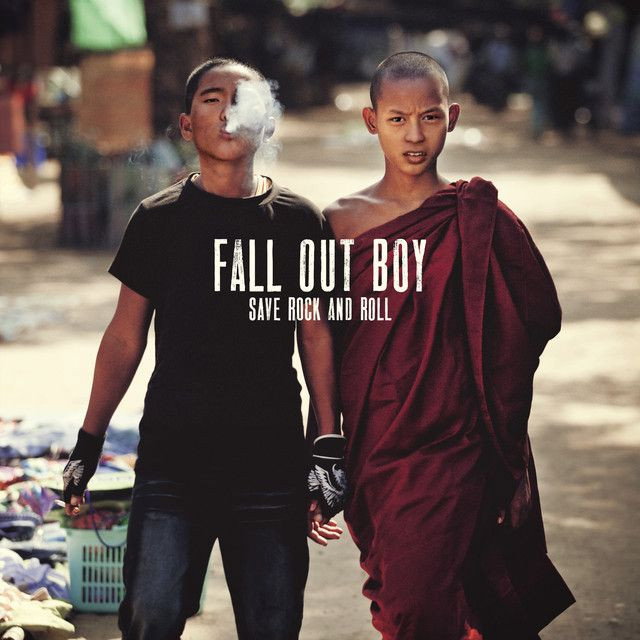
'Light ’Em Up’ Is Fall Out Boy’s Comeback Inferno
They didn’t just return—they struck a match. Fall Out Boy’s 2013 single arrived like a flare in the night, burning their past on-screen and announcing a revamped sound. For listeners searching for the meaning of My Songs Know What You Did In The Dark (Light’ Em Up) Fall Out Boy, the song is a declaration of reinvention: take what hurt, expose it, and set it ablaze for everyone to see.
"My Songs Know What You Did In The Dark (Light Em Up)" - Fall Out Boy
Be careful making wishes in the dark
Can't be sure when they've hit their mark
Loading lyrics...
Unable to load lyrics
We're unable to display the lyrics at this time. Please try again later.
The Spark Behind the Flame: What It Means
At its core, the track is about weaponizing truth. The narrator warns, Be careful making wishes in the dark
, pointing to ambition’s cost and the danger of secrecy. They admit complicity—in the de-details with the devil
—as if saying: I’ve made deals, I’ve been in the mess, and I’m not hiding it anymore.
Interpretation: the “songs” act as witnesses. When they sing My songs know what you did in the dark
, it frames music as a spotlight that remembers everything. Instead of pleading innocence, the speaker stokes the fire, choosing public catharsis over silence. It’s vengeance, confession, and showmanship at once—classic Fall Out Boy spectacle with a sharpened edge.
Watch the official My Songs Know What You Did In The Dark (Light Em Up)
music video
Voice in the Flames: Who’s Speaking to Whom?
They sound like a performer addressing a lover, a rival, and the mirror. The line Gonna need a spark to ignite
suggests self-started combustion—no savior coming. It reads like a dare to the past and a rallying cry to fans: watch us turn chaos into power.
Interpretation: the “you” shifts. Sometimes it’s a toxic relationship, sometimes the music industry, and sometimes their own demons. The recurring claim—My songs know what you did in the dark
—makes art the judge and the stage the courtroom.
From Hiatus to Heat: Why 2013 Matters
Factually, this was their first single after a three-year hiatus and the lead-off to Save Rock and Roll, released February 4, 2013. The video kicks off a larger narrative (The Young Blood Chronicles) and literally torches their old gear—rapper 2 Chainz oversees the bonfire—signaling a break from the past. Critics described the track as a stomp-along pop‑metal anthem, and it surged across pop and rock radio, peaking at No. 13 on the Billboard Hot 100 and earning multi‑platinum status in the U.S.
The title line dates back to an early mid‑2000s demo, which explains why the hook feels instantly sticky: it’s a phrase they lived with, then repurposed as a comeback thesis. The beat leans on hip‑hop swagger, but the guitars and gang vocals keep it stadium-ready.
The Hook’s Purpose: Turning Darkness Into Fuel
The chorus flips exposure into ignition. Instead of hiding what happened, they set it on fire and own the blaze.
Light ’em up, up, up I’m on fire
Interpretation: those two lines turn threat into agency. The singer isn’t only calling someone out—they’re burning brighter because of it. The hook is simple, repeatable, and built for arenas, which is why it quickly became a sports and TV staple.
Images and Sonics: How the Fire Spreads
Visually, the song’s full of volatile images. Burn everything you love
nods to self‑sabotage, while In the end everything collides
evokes trauma boiling over. Even tenderness hurts: the starry image of tears suggests beauty inside the wreckage. Together, these lines argue that rebirth often starts with wreckage.
Sonically, it matches the message. The track sits in D minor at a slow‑strut tempo around 76–80 BPM, so every stomp lands heavy. Distorted riffs slash across a marching beat; handclaps and gang chants amplify that bonfire feel. Patrick Stump’s vocal leaps from tense whispers to belted hooks, mirroring the move from secrecy to spectacle. Butch Walker’s production sharpens the low end and stacks the choruses like a chant you can shout with a crowd.
Alternate Readings and Why It Stuck
- Interpretation 1: Relationship drama as gasoline. The narrator exposes betrayal and uses performance as payback.
- Interpretation 2: Industry critique. Lines about writers and veins read like jabs at formulaic trends; the band lights a different path.
- Interpretation 3: Self versus self. Childhood and “monsters” point to inner battles that resurface under pressure; art becomes the purge.
Culturally, it hit at the right moment. Rock was ceding pop radio to EDM and R&B, yet this fused chant‑pop hooks, hip‑hop rhythm, and metal sheen into something both nostalgic and new. As a comeback statement, it said: we can evolve without losing who we are.
Takeaway: Your Fire, Your Fight
The meaning of My Songs Know What You Did In The Dark (Light’ Em Up) Fall Out Boy lands here: secrets and scars don’t have to sink you—they can light the way forward. Interpretation will vary, but the song’s punch remains the same: own the darkness, then burn brighter.
Disclaimer: Song meanings are subjective; this analysis blends reported context with interpretation.
Sources
- https://en.wikipedia.org/wiki/My_Songs_Know_What_You_Did_in_the_Dark_(Light_Em_Up)
- https://www.songfacts.com/facts/fall-out-boy/my-songs-know-what-you-did-in-the-dark-light-em-up
- https://www.rollingstone.com/music/music-song-reviews/my-songs-know-what-you-did-in-the-dark-light-em-up-246655/
- https://www.billboard.com/artist/fall-out-boy/chart-history/hsi/