Why “My Hero” Makes Ordinary People Sound Epic
For many listeners, the meaning of My Hero Foo Fighters comes down to one simple idea: real heroes are often regular people. That is the heart of the song, and it helps explain why it has lasted for decades.
"My Hero" - Foo Fighters
Take your pictures down and shake it out
Truth or consequence, say it aloud
Loading lyrics...
Unable to load lyrics
We're unable to display the lyrics at this time. Please try again later.
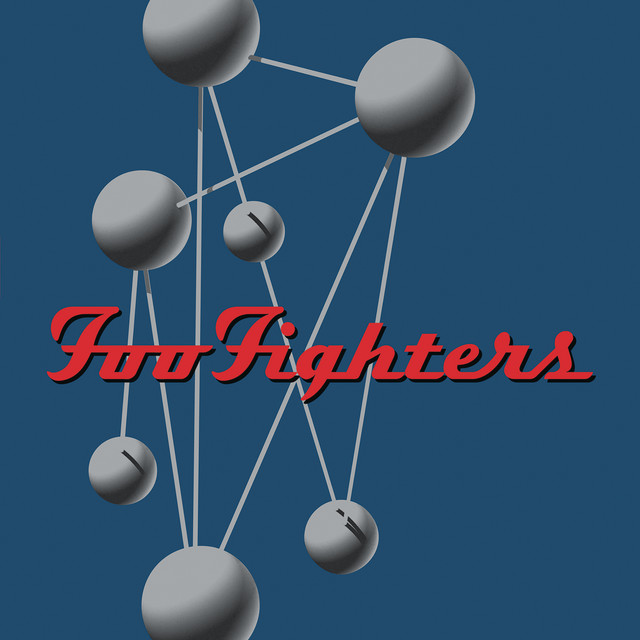
Released as the third single from The Colour and the Shape in 1998, My Hero
became one of Foo Fighters’ defining songs. It was written by Dave Grohl, Nate Mendel, and Pat Smear, and produced by Gil Norton. Factually, Dave Grohl has said the song was about “ordinary heroes,” not celebrity icons or rock myths.
The Core Idea Hiding in Plain Sight
The chorus gives away the song’s main point. When the band repeats There goes my hero
and then adds He’s ordinary
, they turn the usual idea of a hero upside down.
Instead of praising someone distant, superhuman, or famous, the song points toward the unnoticed person who keeps showing up. Interpretation: that could be a parent, a friend, a worker, a teacher, or anyone who does difficult things without needing applause.
This matches Grohl’s own comments over the years. He has described the song as a tribute to ordinary people who do extraordinary things. That direct explanation matters because it keeps the song grounded. It is inspirational, but not abstract.

Watch the official My Hero
music video
Why the Verses Feel Tense and Restless
The verses are less simple than the chorus. Phrases like Truth or consequence
and Use that evidence
suggest pressure, judgment, and the need to face reality.
Rather than painting heroism as clean and glamorous, the song places it in confusion and conflict. People have to speak up, deal with consequences, and keep moving. Interpretation: the hero in this song is not fearless. They are just willing to act in a hard moment.
Another key line is Don’t the best of them bleed it out
. The idea is that even admirable people get worn down. They struggle, hurt, and give more than they should.
That makes the chorus stronger. The hero is not special because they avoid pain. They are special because they endure it.
A Song About Heroes, Not Idols
One reason the track connects so strongly is that some listeners first assume it must be about a specific legend. Because of Grohl’s history in Nirvana, many have wondered if it was about Kurt Cobain.
But that reading does not line up with Grohl’s stated intent. He has repeatedly framed the song around everyday heroism. Songfacts also notes that Grohl described it from a kid’s-eye point of view, which makes sense: children often see greatness in simple acts of bravery and care.
Interpretation: that childlike angle is why the chorus feels so direct. It sounds like someone pointing and saying, in effect, “Look at that person. That matters.” There is no irony in it.
How the Sound Makes the Message Bigger
The production helps turn a humble message into a huge anthem. The song sits in the alternative rock and post-grunge lane, but it has the lift of arena rock. Loud guitars, rising dynamics, and a strong melodic hook make the tribute feel massive.
There is also a smart studio detail: the intro and verses use two drum tracks played at the same time. That gives the rhythm a thicker, more urgent pulse. It mirrors the song’s idea that ordinary life can carry enormous weight.
Grohl’s vocal delivery also matters. He does not sing the chorus like a distant narrator. He pushes it with admiration and strain, which makes the praise feel earned rather than sentimental.
The Video Turns the Meaning Into a Story
The music video, directed by Grohl, reinforces the song’s message in a very clear way. It shows a man running into a burning building to rescue a baby, a dog, and a framed photo, while his face is never clearly shown.
That missing identity is the point. The hero could be anyone. The video refuses to make him a star.
Interpretation: even the saved objects matter. A baby suggests life, a dog suggests loyalty, and the photograph suggests memory. Heroism here is about protecting what makes ordinary life meaningful.
Why the Song Still Matters
Over time, My Hero
became more than a late-1990s rock single. It reached No. 6 on Billboard’s Alternative chart and stayed a live favorite. It has also been used in emotional public moments, including Grohl’s 2020 acoustic dedication to frontline workers.
The song’s message has remained important enough that the band has pushed back when politicians used it in ways they felt twisted its intent. Their objection made the theme even clearer: the song celebrates the common person and their extraordinary potential.
That may be the best way to understand the meaning of My Hero Foo Fighters. It is not about perfect people. It is about recognizable ones.
The Lasting Takeaway
What makes My Hero
powerful is its refusal to separate greatness from normal life. The song argues that courage often looks plain from the outside.
That is why it still lands. Listeners do not have to become legends to see themselves in it. They only have to notice the people who keep others safe, steady, and hopeful.
Disclaimer: This interpretation blends documented artist comments with lyrical analysis. As with any song, listeners may connect with it in personal ways beyond the artist’s stated intent.









