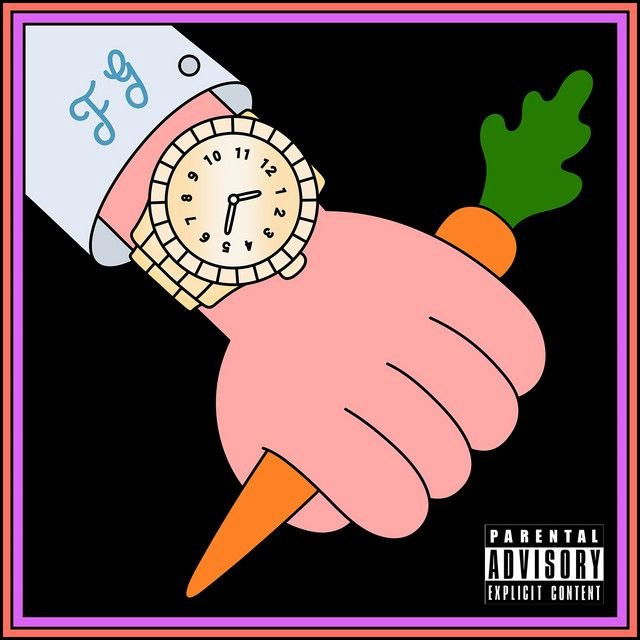
Big Boss Rabbit by Freddie Gibbs
Why This Song Hits Like a Warning Shot
The meaning of Big Boss Rabbit Freddie Gibbs starts with attitude. This is not a reflective ballad or a detailed plot song. It is a chest-out, high-pressure rap performance where Freddie Gibbs builds a larger-than-life version of himself: rich, armed, experienced, and impossible to ignore.
"Big Boss Rabbit" - Freddie Gibbs
Because I'm the best in the world
Even though a lot of you don't like to hear that
Loading lyrics...
Unable to load lyrics
We're unable to display the lyrics at this time. Please try again later.
Gibbs, born in Gary, Indiana, has long been known for technical precision and street-focused writing, and critics have praised that skill for years. NPR called him an “eternal technician,” while The Guardian described him as a “rapper’s rapper,” both cited in his career overview at Wikipedia. That background matters here because this song is built less on confession than command.

Watch the official Big Boss Rabbit
music video
The Core Meaning Behind the Persona
At its core, the track is about self-coronation. The opening spoken sample frames the whole record with extreme confidence, almost like a fighter introducing themselves before a match. From there, Gibbs spends the song proving that belief through threats, luxury references, and business language.
When he repeats boss shit
, they are not just hearing a catchy phrase. They are hearing the song’s mission statement. He wants listeners to see him as someone who controls rooms, money, and outcomes.
Interpretation: The title’s “rabbit” image is important because rabbits usually suggest speed or vulnerability. Gibbs flips that idea. In his version, the rabbit is not prey; it is the fast-moving boss who survives because he is smarter, quicker, and more ruthless than everyone around him.
How the Verses Build Power
Much of the song’s writing works through accumulation. Gibbs stacks image after image: expensive watches, bundles of cash, airport travel, celebrity settings, and violent threats. That piling-up effect matters because it makes the persona feel nonstop.
A line like President on my wrist
points to luxury and status, while stack it like Pringles
turns money into something visible and excessive. Those details are not random flexes. They show success as material proof.
At the same time, the track keeps returning to menace. Gibbs fills the verses with gun talk and death imagery. Rather than moving through a single narrative, the song creates a climate of danger. The message is simple: this “boss” identity is protected by force.
Street Memory, Not Just Present-Tense Boasting
One revealing moment comes when Gibbs looks backward, linking his current identity to an earlier life in the drug economy. That matters because the song does not present power as overnight fame. It presents success as something built from harsh experience.
See my first crackhead
back in '91
This brief memory gives the record depth. Even in a song full of exaggeration and swagger, Gibbs suggests that his authority comes from history. They are not just hearing a rapper brag. They are hearing someone argue that they have seen enough to earn the right to boast.
The Hook’s Real Job
The hook is catchy, but it also does structural work. Each return to the refrain resets the song around control, money, and threat. When Gibbs says it’s gon’ cost you
, the phrase means more than price. It suggests access has consequences.
In other words, the hook turns his world into a gated system. If someone wants a verse, a product, or a piece of his status, they will pay. If someone challenges him, they may pay in a different way. That double meaning helps explain the meaning of Big Boss Rabbit Freddie Gibbs: power is both profitable and dangerous.
Sound, Flow, and Why the Record Feels So Cold
Production matters here even without a dense melodic center. Reporting around the release noted that the track flips a classic Nas source, a detail mentioned in coverage summarized at Wikipedia. That connection to older rap tradition fits Gibbs well, because he often balances reverence for rap history with his own hard-edged style.
The beat feels spare, tense, and sharp. That leaves room for his voice to dominate the mix. Instead of singing or softening the mood, Gibbs attacks the beat with clipped confidence. Their flow sounds controlled, even when the content is wild.
This is one reason the song feels more intimidating than celebratory. The production does not glow; it stalks. The performance turns every boast into a threat.
Where It Fits in Freddie Gibbs’ Career
“Big Boss Rabbit” arrived in 2021, after Gibbs had already earned major acclaim through projects like Piñata, Bandana, and Alfredo. Alfredo even earned a Grammy nomination for Best Rap Album, and Gibbs later released Soul Sold Separately through Warner, where it reached No. 11 on the Billboard 200, according to his career summary at Wikipedia.
That timing matters. The song sounds like a veteran rapper refusing to act grateful or comfortable. Instead, they rap like someone still competing, still offended by challengers, and still hungry to dominate.
The alias also matters. “Big Boss Rabbit” is listed as one of Gibbs’ known monikers at Wikipedia. So the song doubles as branding: he is not only performing confidence, he is naming and launching a character.
A Clear Reading of the Song’s Message
The clearest reading is that this track is a power fantasy grounded in real-world scars. It mixes rap tradition, street memory, and luxury flexing into one message: Freddie Gibbs sees himself as elite because he survived, adapted, and kept winning.
Interpretation: There is also a defensive edge beneath all the swagger. The violence, the price talk, and the over-the-top certainty can sound like armor. The song may be saying that in Gibbs’ world, softness is dangerous, so confidence has to be absolute.
Final Take on Big Boss Rabbit
For listeners asking about the meaning of Big Boss Rabbit Freddie Gibbs, the answer is that the song is a declaration of rank. It presents Gibbs as a hardened boss whose success, danger, and confidence all feed the same identity.
They are not inviting listeners into vulnerability here. They are showing what dominance sounds like when it is sharpened into a rap persona.
Disclaimer: This article offers informed interpretation based on the song, its lyrics, and publicly available career context. Meaning can vary from listener to listener.








