Why 'Stuck' by Imagine Dragons Hurts So Much
The core of the meaning of Stuck Imagine Dragons
The meaning of Stuck Imagine Dragons centers on emotional paralysis. They present a narrator who knows time is moving forward, but their heart is not. The song is not just about missing someone. It is about feeling trapped in the aftermath of losing a person who once seemed to hold everything together.
"Stuck" - Imagine Dragons
Yeah, time goes by and still I'm stuck on you, ooh, you, ooh
I been afraid, don't wanna fade out of my body
Loading lyrics...
Unable to load lyrics
We're unable to display the lyrics at this time. Please try again later.
That idea comes through right away in the hook, where the singer repeats stuck on you
. In plain terms, they are saying that healing has not happened, even though enough time has passed that it probably should have. The pain is not fresh in the usual sense. It has settled in.
Interpretation: The song can be heard as a breakup ballad, but it also works as a grief song. The language is broad enough that listeners may connect it to any major loss that leaves someone feeling hollow.

Watch the official Stuck
music video
A narrator who feels emptied out
The verses describe more than sadness. They describe disconnection from the self. When the narrator says they are floating above me
, the image suggests numbness, shock, or even dissociation. They do not feel grounded in their own life anymore.
The darker phrases push that feeling further. The references to being locked in a grave
and feeling like been a zombie
do not sound literal. They read as emotional metaphors. They show someone moving through life without real energy, joy, or direction.
This is one of the song's strongest qualities. Instead of simply saying "I am sad," it turns pain into physical images. That helps listeners feel the weight of the loss.
Why the missing person feels so powerful
The imbalance at the heart of the lyrics
The song gives the absent person huge emotional importance. They were the laugh, the life, the brave one, the faith. Meanwhile, the narrator casts themselves as weaker and more broken. This contrast matters because it explains why the separation feels so crushing.
In other words, the narrator did not just lose a partner. They lost a source of confidence, warmth, and meaning. That is why one short line lands so hard: you were the home
. Home here does not mean a building. It means emotional safety.
Interpretation: The lyrics hint at dependence, not just love. The missing person may have become the center of the narrator's world. That makes the grief feel even bigger, because they are not only mourning the relationship. They are mourning the version of themselves that existed inside it.
How the chorus turns pain into a loop
The chorus is simple, but that simplicity is the point. Repeating the same thought again and again mirrors what it feels like to ruminate. The mind circles back to the same person, the same questions, and the same ache.
There is also a quiet irony in the line time goes by
. Normally, people expect time to soften pain. Here, time passes but changes nothing. The clock moves; the narrator does not. That tension gives the chorus its sting.
A brief map of the song's emotional timeline
- The narrator begins in a state of numbness and confusion.
- They describe the lost person as everything strong and alive.
- They ask why that person left, which shows the wound is still open.
- The chorus returns to the same emotional truth: they remain stuck.
That loop is the song's structure and its message.
Sound and production: why the song feels so lonely
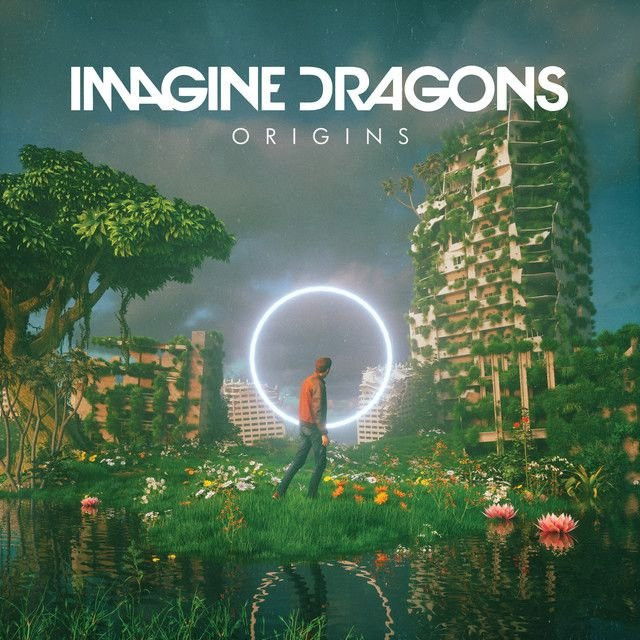
"Stuck" appears on Origins, Imagine Dragons' 2018 album released by KIDinaKORNER/Interscope, as documented by Interscope and major discographies like AllMusic. The credited writers include Aja Volkman, Alex Grant, Ben McKee, Dan Reynolds, Daniel Platzman, Wayne Sermon, and Jayson DeZuzio, consistent with the song information provided and major catalog listings.
The production supports the lyrics by staying moody and spacious. Instead of pushing huge rock energy, the arrangement leans into atmosphere. The beat feels restrained, the textures are soft, and Dan Reynolds' vocal sounds exposed rather than triumphant.
That matters because Imagine Dragons often use explosive dynamics. Here, they hold back. The relative quiet makes the song feel inward, like a private breakdown rather than a stadium anthem.
Interpretation: The controlled production may reflect emotional exhaustion. The narrator does not sound ready to fight for closure. They sound worn down by longing.
Two strong ways to read the song
Reading one: a breakup that became identity loss
This is the clearest reading. The narrator is speaking to someone who left, and they cannot accept the separation. The pleading questions make that obvious, especially when they ask where the person went and ask them to return.
Reading two: grief after losing an emotional anchor
The song can also be heard more broadly as grief. Because the absent person is described almost like a life force, the loss feels larger than romance. A listener dealing with death, estrangement, or family separation could hear themselves in it.
That openness helps explain why the track resonates. It names a feeling many people know: the strange experience of surviving something emotionally while not feeling fully alive afterward.
Why "Stuck" still connects
The song works because it is honest about how healing actually feels. People do not always move forward in neat steps. Sometimes they replay old pain, idealize what is gone, and feel ashamed that they are still attached.
The meaning of Stuck Imagine Dragons is not complicated, but it is deep. They turn longing into a portrait of emotional suspension. The narrator is alive, but not fully living. Time keeps moving, yet their heart stays in the same place.
That is what gives the song its ache and its staying power.
Disclaimer: This article offers interpretation based on the lyrics, available song credits, and the recording itself. As with most songs, listeners may hear meanings that differ from the artist's exact intent.








