Why 'Let It Fade' Feels Like a Spiritual Reset
The meaning of Let It Fade Jeremy Camp comes through with unusual clarity: this is a song about surrender. It speaks to people who feel worn out by chasing empty things, trying to stand alone, or hiding behind false versions of themselves. Rather than judging them, the song offers a way out.
"Let It Fade" - Jeremy Camp
Have you helped yourself to everything that's empty? yeah!
You can't live this way too long.
Loading lyrics...
Unable to load lyrics
We're unable to display the lyrics at this time. Please try again later.
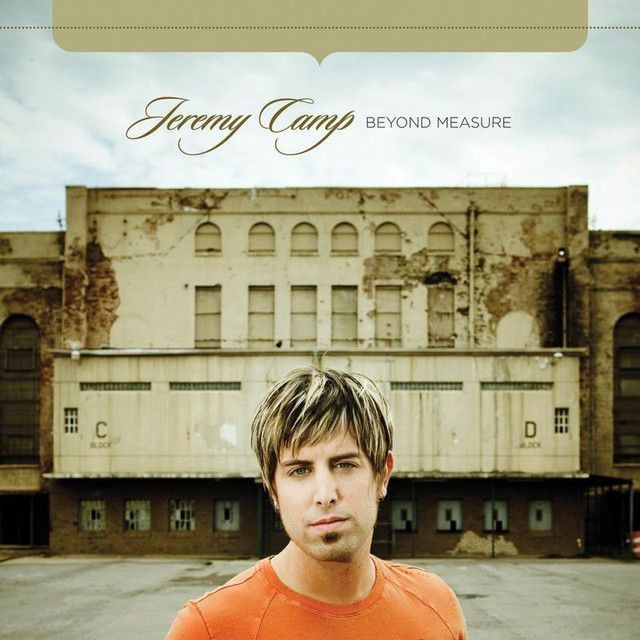
Jeremy Camp has long balanced rock energy with direct Christian themes. According to widely cited career summaries, they became one of the most successful voices in contemporary Christian music, with Beyond Measure producing multiple No. 1 Christian radio hits, including “Let It Fade” (Wikipedia). That success matters because it shows this message connected far beyond church walls.
A Song About Surrender, Not Defeat
The central idea is simple: the old self must go so a better life can begin. When the chorus says let it fade
, it is not celebrating collapse for its own sake. It is asking the listener to stop clinging to what is already hollow and let God replace it with grace.
That is why the song keeps returning to images of strain and instability. Early lines ask whether someone has been living on an uncertain foundation and feeding on what is empty. In plain language, the verses describe a life built on things that cannot hold a person up.
Interpretation: The song frames spiritual change as release, not self-improvement. It is less about becoming impressive and more about dropping what was never saving them in the first place.

Watch the official Let It Fade
music video
The Questions Do the Heavy Lifting
One of the smartest things in the writing is the use of direct questions. The lyrics ask if the listener has been on their own too long and looking for somewhere to belong. Phrases like standing on your own feet
and a place where you belong
make the message personal.
Those questions create empathy. They do not start with commands; they start with recognition. Before the song tells anyone to change, it notices their fatigue.
Why the Promise of Rest Matters
After those questions, the song answers with reassurance: you will find rest
. That promise shifts the tone from confrontation to comfort. The song is not merely tearing down an “old life.” It is offering relief to people exhausted by carrying everything themselves.
This matters in Jeremy Camp’s catalog, where struggle and faith often meet head-on. Their music has regularly joined testimony-style lyrics with radio-ready hooks, and this track is a strong example of that balance (Wikipedia).
What the Chorus Really Means
The chorus is the song’s theological center. It contrasts the crumbling old life with a newly offered one described as saving grace. In other words, the message is not “fix yourself.” It is “stop resisting rescue.”
Let this old life crumble, let it fade.
Let this new life offered be your saving grace.
That two-line movement explains the whole song: release, then receive. The first half is about surrender. The second is about gift.
Interpretation: This can be heard as a conversion song, where someone turns toward faith for the first time. It can also fit ongoing discipleship, where even committed believers must repeatedly surrender pride, fear, or false security.
False Masks, Empty Offers, and Heavy Weights
In the second verse, the song widens its focus from inner exhaustion to social pressure. It asks whether the listener has been holding onto what the world offers and giving in to all these masquerades
. That image of masquerade suggests performance, image, and pretense.
The point is not just that the world disappoints. It is that false identities wear people down. They may look successful, strong, or in control, yet still feel spiritually starved.
Later, the song asks whether they are carrying too much weight or running from the call. Those ideas connect stress with avoidance. The burden is not only emotional; it is also spiritual. They may know they need change, but still fear what surrender will cost.
How the Sound Supports the Message
Musically, “Let It Fade” works because its arrangement mirrors its meaning. Camp’s style often blends post-grunge guitars, clean melodic hooks, and a steady Christian rock build. On this track, the firm rhythm and rising chorus make surrender sound active rather than passive.
Instead of a quiet, fragile ballad, the production gives the message momentum. That matters because the lyric could have sounded purely reflective. The fuller band sound turns it into an anthem of release.
This fits the Beyond Measure era well. The album was a major commercial moment for Camp, and “Let It Fade” reportedly spent 10 weeks at No. 1 on AC Christian radio while becoming one of the most-played Christian HR songs of 2007 (Wikipedia). The broad reach suggests listeners heard both conviction and encouragement in it.
Why the Song Still Connects
Part of the staying power comes from how universal the problem is. Even outside a faith setting, many listeners understand the feeling of building life on unstable things. They know what it means to chase approval, wear a mask, or hold too tightly to habits that no longer give life.
What makes the song distinctly Christian is its answer. It does not recommend vague positivity. It points toward grace, rest, and a new life that must be received, not earned.
Final Take
The meaning of Let It Fade Jeremy Camp is about letting go of a false, exhausted self so that grace can remake what remains. Its questions expose emptiness, its chorus offers hope, and its sound gives that hope force.
That is why the song still lands: it tells listeners that losing the wrong life is not tragedy. It is the start of peace.
Disclaimer: This interpretation is based on the released lyrics, Jeremy Camp’s public artistic context, and the song’s musical presentation. As with any song, individual listeners may hear it differently.







