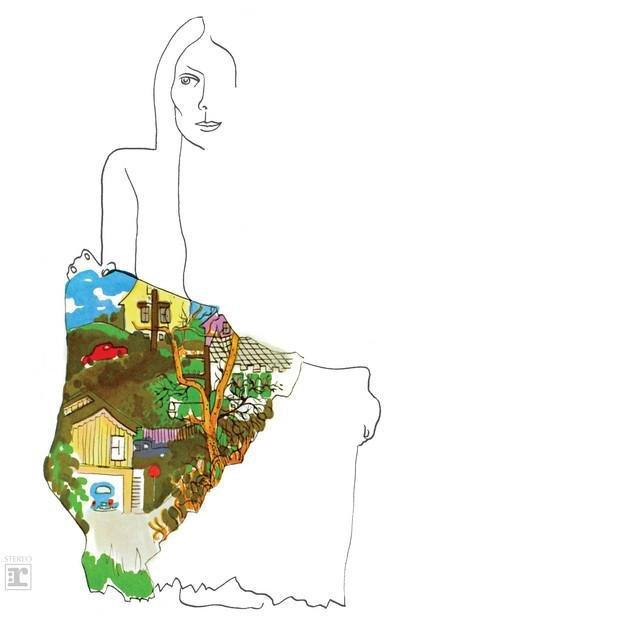
Big Yellow Taxi by Joni Mitchell
Why This Song Still Feels Urgent
The meaning of Big Yellow Taxi Joni Mitchell starts with a simple shock: people destroy what is beautiful, then realize its value too late. Joni Mitchell wrote and first released the song in 1970 on Ladies of the Canyon, and it quickly became one of her signature works. It is often grouped with environmental songs, but its message is wider than that.
"Big Yellow Taxi" - Joni Mitchell
Put up a parking lot
With a pink hotel, a boutique
Loading lyrics...
Unable to load lyrics
We're unable to display the lyrics at this time. Please try again later.
At its core, the song connects public loss and private loss. A damaged landscape, a vanished bird song, and a relationship ending all live under the same warning: people often wake up after the damage is already done.

Watch the official Big Yellow Taxi
music video
The Spark Behind the Lyrics
Mitchell explained that the song came from her first trip to Hawaii. In a 1996 interview with the Los Angeles Times, she said she looked out and saw green mountains, then looked down and saw a huge parking lot, calling it a heartbreak and a kind of blight on paradise. That story has shaped how listeners understand the song ever since.
That origin matters because it shows the song was not built from abstract politics alone. It came from a real visual contrast: natural beauty next to hard commercial space. That is why the opening image feels so sharp.
Paradise, Paved Over
The best-known line, They paved paradise
, is blunt on purpose. Mitchell turns paradise into something physical and vulnerable, then shows it being replaced by a parking lot. The image is funny, catchy, and harsh at the same time.
Interpretation: The song is not just attacking one building project. It suggests a habit in modern life: replacing living things with convenience, profit, and control. The phrase put up a parking lot
has lasted for decades because it captures that trade in one quick picture.
Nature Turned Into Display
Later, the song imagines trees removed and placed in a museum. The satire is clear. Instead of protecting nature where it lives, people destroy it and then charge admission to look at what remains.
This section makes the song feel playful on the surface but bitter underneath. The joke lands because it is believable. Even beauty can become a product.
The Chorus and Its Big Idea
The chorus gives the song its emotional center: you don't know what you've got
until it is gone. That line explains why the verses matter. The song is not only saying that development is ugly. It is saying regret is a human pattern.
That is why the chorus has traveled so far beyond the original recording. It can apply to land, clean air, love, community, even time itself. Mitchell makes the lesson broad without making it vague.
Don't it always seem to goyou don't know what you've got'til it's gone
Those lines are simple, almost conversational. That simplicity is part of the song’s power.
The DDT Verse Makes the Message Plain
One verse speaks directly to farming and pesticide use with the phrase put away the DDT
. That line places the song firmly in the environmental concerns of its era. DDT had become a major public issue in the years after Rachel Carson’s Silent Spring, and Mitchell’s lyric catches that growing alarm in plain language.
But they do not frame the issue like a lecture. Instead, the song asks for imperfect fruit over ecological damage. In everyday terms, Mitchell suggests a spotted apple is a small price to pay if birds and bees survive.
Why the Final Verse Changes Everything
The last verse introduces a personal scene: a slam of a screen door and a departure in the title vehicle. Suddenly, the song is no longer only about land use or pollution. It becomes about losing a person.
Interpretation: This shift is one of the smartest things in the song. It argues that the same carelessness behind environmental destruction can also shape emotional life. People neglect places. People neglect relationships. Then they feel the loss.
Some listeners read the final verse as comic surprise, while others hear it as the key that unlocks the whole song. Both readings work. The point is not that a breakup and ecological damage are equal in scale. It is that regret speaks the same language in both cases.
How the Sound Carries the Meaning
Musically, “Big Yellow Taxi” is bright, quick, and deceptively cheerful. The original recording runs about 2:16 and blends folk, pop, and folk rock elements. That upbeat bounce matters. A heavy arrangement might have made the message feel preachy, but the light rhythm helps the warning slip in smoothly.
Mitchell’s vocal delivery also matters. They sound nimble and conversational, almost tossing the lines off, which makes the criticism sting more. The famous scat-style backing vocal adds motion and charm, creating a contrast between the catchy surface and the serious theme underneath.
The Song’s Reach and Legacy
The song’s afterlife proves how deeply its message landed. It has been covered by hundreds of artists, and Mitchell’s official site says that total has reached 606 recordings by April 2025. It has also been sampled, most famously in Janet Jackson’s “Got ’til It’s Gone.”
That long legacy makes sense. The warning in “Big Yellow Taxi” keeps renewing itself in every era of overbuilding, pollution, and cultural nostalgia. The details are from 1970, but the feeling is modern.
What the Song Ultimately Says
The meaning of Big Yellow Taxi Joni Mitchell is not hard to hear, but it is hard to live by. The song says people are skilled at treating gifts like resources and loved ones like constants. Then they act shocked when both disappear.
Mitchell turned that truth into a pop song that is catchy enough to sing and sharp enough to haunt. That is why it still matters.
Disclaimer: This interpretation separates documented background from informed reading. As with most great songs, some meanings remain open to the listener.









