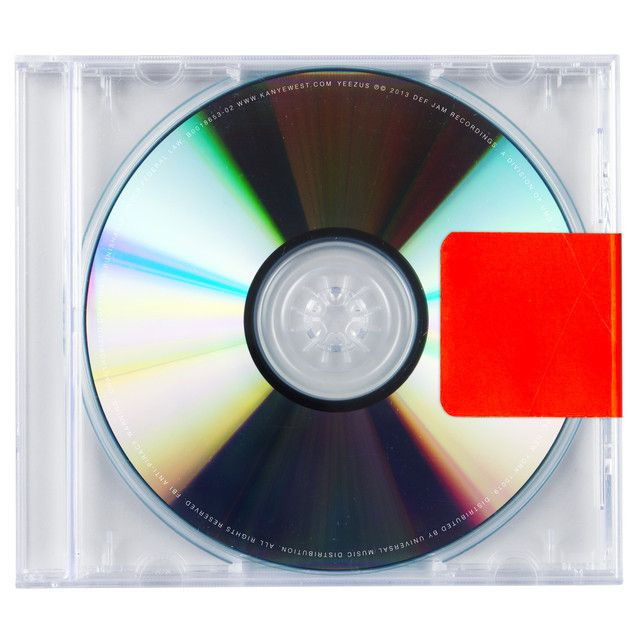
Blood On The Leaves by Kanye West
The meaning of Blood On The Leaves Kanye West is hard to separate from shock. On the surface, the song tells a bitter story about a romance poisoned by money, celebrity, lust, and mistrust. But Kanye West places that story inside a much darker frame, using Nina Simone's version of "Strange Fruit" to open the track. That decision makes the song feel bigger, stranger, and far more troubling than a standard breakup record.
"Blood On The Leaves" - Kanye West
Blood on the leaves
I just need to clear my mind now
Loading lyrics...
Unable to load lyrics
We're unable to display the lyrics at this time. Please try again later.
Released on Yeezus in 2013, the song was widely praised and later certified Platinum in the United States. It samples Nina Simone and TNGHT, and it was produced by West with Hudson Mohawke and Lunice among others. Those are factual details about the track's construction and release history, even if its deeper message remains open to debate.
A breakup song with a terrible shadow
At its most direct level, the song is about a relationship falling apart. The speaker sounds trapped between regret and anger. They keep circling missed chances, public humiliation, and the feeling that love has become a transaction.
Short phrases like we could've been somebody
and I thought you could wait
show that the narrator is not just mad. They are mourning what the relationship might have become. The song's emotional force comes from that mix of blame and grief.
Interpretation: What makes the track famous is the way West puts that personal mess next to the opening image of blood on the leaves
. Because that line comes through Simone's recording of "Strange Fruit," it carries the history of racist lynching in America. The song does not explain that connection neatly. Instead, it leaves listeners to sit with the discomfort.
Watch the official Blood On The Leaves
music video
Why the sample changes everything
The "Strange Fruit" sample is the key to understanding why the song feels so heavy. Simone's 1965 version of the anti-lynching song is one of the most loaded samples West ever used. According to widely cited album credits and reporting on the song, that sample opens the track before the beat explodes into TNGHT's brass and electronic percussion.
That structure matters. The first minute feels solemn and haunted. Then the production swerves into something huge and aggressive. The emotional effect is like grief being swallowed by ego, nightlife, and chaos.
Interpretation: Some hear this as West showing how modern celebrity culture turns everything into spectacle, even pain. Others think he is deliberately making an ugly comparison between private relationship drama and national trauma. That second reading is why the song remains controversial.
The story inside the verses
The verses unfold like a memory spiral. The narrator recalls an early party, drug use, public exposure, and the sense that fame changed everything. The relationship that once felt intimate becomes messy, legal, and transactional.
A few moments define that arc:
- The speaker looks back on the relationship's hopeful beginning.
- They describe reckless behavior and blurred boundaries.
- They shift into accusations, lawyers, and public fallout.
- The last section turns toward pregnancy, money, and a broken version of commitment.
When the song reaches phrases like before the limelight stole ya
and unholy matrimony
, it suggests fame has warped love into performance. People are no longer seeing each other clearly. They are seeing status, leverage, and damage.
Fame, money, and the loss of human feeling
One strong reading of the meaning of Blood On The Leaves Kanye West is that it attacks the way wealth and celebrity flatten real emotion. The song keeps returning to costs, image, and social display. Even romance starts sounding like negotiation.
The last verse is especially harsh. It describes luxury, court issues, pregnancy anxiety, and public embarrassment in the same breath. Rather than presenting adulthood as stable, the song shows it as panicked and immature. The characters have money and access, but they do not seem wise or free.
Interpretation: This is where the song becomes more than a breakup track. It becomes a portrait of moral confusion. Everyone wants something, nobody trusts anyone, and no amount of fame can stop the emotional crash.
How the sound carries the meaning
Musically, this is one of Yeezus' most dramatic songs. The production begins with piano and Simone's aching vocal, then drops into the famous TNGHT horns from "R U Ready." West's Auto-Tuned voice adds another layer: he sounds both vulnerable and artificial, which fits a song about emotion filtered through fame.
Critics often singled out that clash of beauty and brutality. The song was called a highlight of Yeezus by several outlets, and it later appeared on major best-of-the-decade lists. That critical reception supports how central the track is to understanding the album's style: minimal at first, then punishingly loud, then strangely sad again.
The arrangement also mirrors the lyrics. Quiet reflection gives way to public explosion. Intimacy becomes theater. Pain becomes noise.
Why people still argue about it
The song's power comes from its unresolved tension. It is not a clean moral statement. Some listeners see it as brilliant because it forces ugly parts of American life into one frame: Black historical trauma, modern fame, sexual politics, and self-destruction.
Others see it as reckless, arguing that the historical weight of "Strange Fruit" is too sacred to place beside a celebrity melodrama. That criticism has followed the song since 2013, and it is part of why the track still gets discussed more than many conventional hits.
The final takeaway
The meaning of Blood On The Leaves Kanye West lies in collision. It is about a doomed relationship, but also about what happens when private drama meets public history, and when wealth cannot save people from fear or selfishness.
That is why the song feels so unsettling. It is not simply sad, angry, or political. It is all three at once.
Disclaimer: This article offers interpretation based on the song's lyrics, production, and public context. Meaning in music is never fully fixed, and listeners may reasonably hear the song differently.








