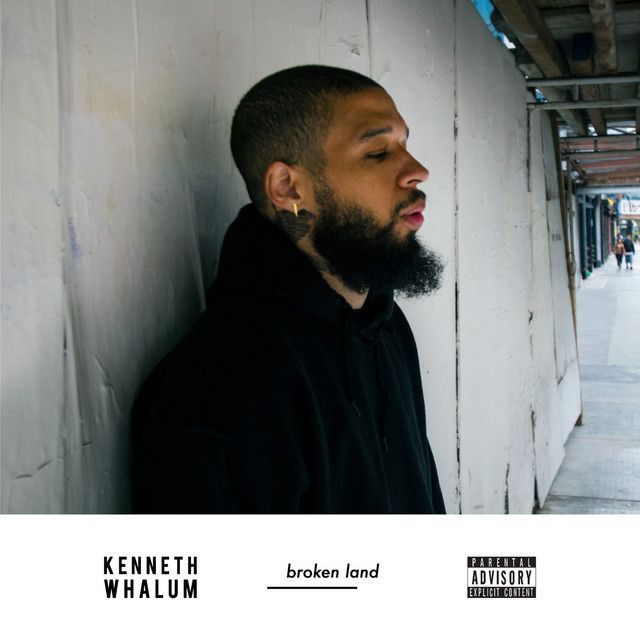
Might Not Be OK by Kenneth Whalum, Big K.R.I.T.
They don’t promise sunshine here. The song opens by rejecting the easy lift of false comfort, then settles into a sober look at violence, grief, and the fatigue of proving what people can already see. For listeners searching the meaning of Might Not Be OK Kenneth Whalum, Big K.R.I.T., this is a protest hymn that chooses truth over platitude.
"Might Not Be OK" - Kenneth Whalum ft. Big K.R.I.T.
And I can't see the sun through all the darkened rays
I don't claim to have the answer, it's more than some can say
Loading lyrics...
Unable to load lyrics
We're unable to display the lyrics at this time. Please try again later.
Radical honesty instead of a warm blanket
The core message is simple and piercing: some wounds can’t be smoothed by a slogan. When Kenneth Whalum sings the refrain—anchored by the line It might not be ok
—he models honesty as care. The song argues that naming the pain is the first step toward change, not a surrender to despair.
This refusal to sugarcoat becomes a stance of solidarity. By not pretending, the chorus respects those living the hurt, rather than rushing them toward closure.

Watch the official Might Not Be OK
music video
Two voices, one urgency
Whalum’s voice is the measured conscience of the record. He doesn’t claim to have answers, only witness. Big K.R.I.T. then enters as the street reporter and neighbor, stacking images that map private grief to public systems. A line like Mommas been cryin'
places family at the center, and Black folk been dyin'
widens it to a community under threat.
Interpretation: They are speaking to multiple audiences at once—the people enduring this reality, the institutions that enforce it, and the bystanders who might look away.
A loop of harm, documented and denied
The verse walks listeners through a grim loop: shootings, shaky press narratives, and videos that should settle the argument but somehow don’t. The camera becomes both witness and battleground. Even when “the whole world” has seen a wrong, the account is contested. The song suggests that footage often gets reframed until responsibility blurs.
This is where the lyric’s skepticism bites. The voice points to spin, to how official language can outtalk the obvious. Interpretation: the track asks why so much evidence leads to so little accountability.
The hook that refuses the lie
Before and after that catalog of pain, the chorus returns. Its power sits in understatement:
I won't tell you that it's gon' be ok It might not be ok
By refusing to console, the hook dignifies real fear and rage. Interpretation: it becomes a ritual of truth-telling—an acknowledgment that healing demands honesty about the wound.
Sound that carries a heavy load
The production stays sparse and solemn, likely built on soft, minor-key chords and roomy dynamics. That space lets every word land. Whalum, a jazz-rooted singer, leans into breath and tone, almost pastor-like, while K.R.I.T. delivers close to the mic, steady and unblinking. The result feels less like a banger and more like a vigil.
Small musical choices do big work. A restrained tempo mirrors grief’s pace. Subtle low-end weight suggests dread. Silence between phrases becomes part of the meaning.
Symbols and charged phrases
A few short lines carry heavy history. Hands behind yo' back
flags the paradox of compliance met with force. Can't breathe
echoes a modern protest cry, pointing to bodies under pressure and the right to live. fit the description
names profiling as process, not accident.
Repetition—“they gon’ keep…”—does two things at once. It reflects the speaker’s tired certainty and acts as a drumbeat for change, making the cycle impossible to ignore. Interpretation: the structure turns individual incidents into a system.
Context and impact
Released in 2016, the track sits inside a season of national protest and debate over police killings caught on camera. Big K.R.I.T., a Mississippi artist also known as Justin Scott, would perform related spoken-word pieces on television that year, bringing this quiet fury to a wider audience. The song felt less like a news flash and more like a mirror, catching what many already knew.
While some protest records shout, this one steadies the room. Its calm makes its claims harder to dodge. Listeners embraced it as a soundtrack to vigils, late-night drives, and hard talks with family.
Why this still matters now
Interpretation: The song insists that progress begins with truth. If a chorus can admit things are not okay, then perhaps a listener can also admit what they see. From there, change has a chance.
For anyone looking up the meaning of Might Not Be OK Kenneth Whalum, Big K.R.I.T., the takeaway is clear: hope is not denial. Real hope comes after naming the hurt, honoring the dead, and demanding better from the living.
Final note
Interpretation is subjective. This reading draws on the lyrics, performance style, and public context, but every listener’s experience will add another layer.







