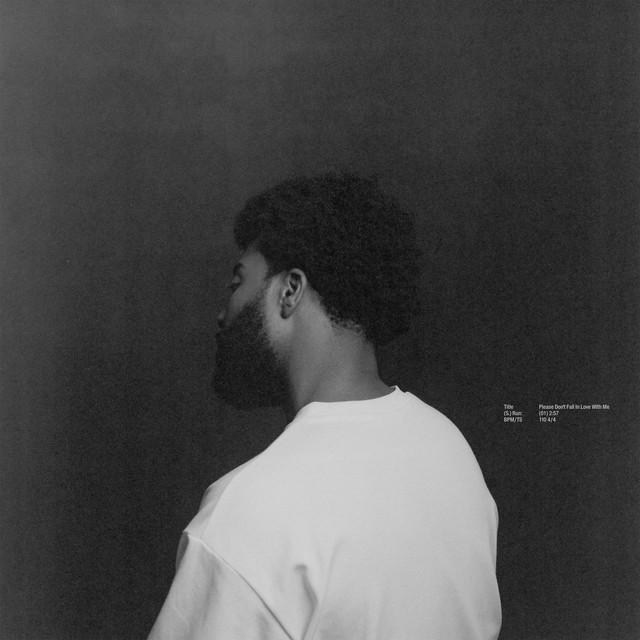
Please Don't Fall In Love With Me by Khalid
The meaning of Please Don't Fall In Love With Me Khalid centers on a breakup that is not emotionally over, even if the relationship is. The song presents a speaker who tries to sound guarded and detached, yet every verse reveals the opposite. They are still comparing, remembering, and hurting.
"Please Don't Fall In Love With Me" - Khalid
If we do the unthinkable, would it make us look crazy?
If you ask me, I'm ready
Loading lyrics...
Unable to load lyrics
We're unable to display the lyrics at this time. Please try again later.
What makes the song interesting is that its title and chorus sound like a warning, but the verses feel like a confession. Instead of simple rejection, Khalid sketches the messy space where pride, grief, and desire all exist at once.
A Warning That Sounds Like a Plea
On the surface, the chorus is direct: don't fall in love with me
. But in context, that line does not sound cold. It sounds defensive.
The speaker seems to know they are emotionally damaged after betrayal. They may be telling the other person not to love them because they do not trust themselves to handle love well anymore. Interpretation: the refrain works less as advice to another person and more as self-talk from someone who fears being hurt again.
That is why the hook repeats so many times. Repetition turns the line into a shield. The more they say it, the less convincing it becomes.
The Verses Tell a Very Different Story
The first verse starts with desire and possibility. The speaker imagines crossing a line with someone they already know and asks whether doing the unthinkable
would make them look reckless. That opening matters because it frames the song around emotional risk, not simple lust.
Then the mood shifts. The lyrics move into memories of intimacy, secrets, and trust. When the speaker asks whether private things were really confidential, they reveal the heart of the wound: this is not just about losing a partner. It is about feeling replaced after deep emotional access was given.
A short phrase like broke my heart
may sound basic, but here it lands because the speaker quickly pivots into writing, reflection, and unfinished attachment. They want to show devotion, yet they are speaking from pain. That contradiction drives the whole song.
Jealousy Is Not Hidden Here
One of the clearest themes is comparison. The speaker sees the ex with someone new and cannot resist measuring that person against themself. They mention gifts, travel, status, and taste as proof that the ex has downgraded.
This matters because it shows the breakup damaged their ego as much as their heart. The song is not only asking, “Why did this end?” It is also asking, “Why was I not enough?”
When the speaker claims I'm so good without you
, the next lines undercut it. They admit they are still suffering and that their judgment is cloudy. That honesty keeps the song from becoming pure bitterness. It lets listeners hear the insecurity under the flexing.
Memory, Money, and Emotional Scorekeeping
Several details in the song act like receipts from the relationship: a designer bag, vacation pictures, roses, packages, and other signs of care. These are not random props. They show how the speaker remembers love through what was given and shared.
Interpretation: those details may suggest that they are trying to win the argument after the fact. If they can prove they offered more, then maybe the breakup will make sense. But the song also shows the limits of that logic. Love does not become less painful just because someone can list everything they did right.
The repeated focus on objects and experiences also adds a layer of emotional scorekeeping. The speaker is counting value because they cannot count closure.
How the Sound Supports the Message
Even without a full production breakdown, the writing suggests a modern R&B and melodic rap structure built around looping emotion. That style fits Khalid's catalog, which often pairs vulnerable lyrics with smooth, understated delivery. The credited writers include Khalid Robinson, Aubrey Graham, Alicia Keys, Noah Shebib, and others, according to the song information provided.
That matters because the song's emotional force depends on contrast. The words are tense and bruised, but the melodic repetition makes the pain sound almost hypnotic. A hook like please don't fall in love
becomes more haunting when sung softly instead of shouted.
Interpretation: if the production is sparse or moody, that would reinforce the feeling of someone alone with their thoughts, replaying old arguments and old memories. The song works best as a spiral, not a clean narrative arc.
The Narrator Is Hurt, but Not Fully Trustworthy
A useful way to read the song is to notice where the speaker contradicts themself. They say they are healing, but they are still obsessed with the ex's new relationship. They say they do not want love, but the entire song is charged with longing. They claim strength, then reveal deep vulnerability.
That does not make them dishonest. It makes them believable.
Breakup songs often become strongest when they admit mixed motives. Here, Khalid's narrator wants dignity, revenge, reconciliation, and emotional safety all at once. That is why lines like my life would be better
if they had never met feel so painful. It is not a settled conclusion. It is something said in the heat of unresolved grief.
Why the Song Connects
The meaning of Please Don't Fall In Love With Me Khalid lands because it captures a common post-breakup feeling: warning others away while still secretly trapped in the past. The song understands that heartbreak can make people protective, performative, and brutally honest within the same breath.
In the end, the chorus is less about rejecting love than fearing what love now brings with it—memory, comparison, and the risk of another collapse. That makes the song feel sadder than its title first suggests.
Disclaimer: This interpretation is based on the lyrics provided and common thematic analysis. As with any song, meaning can vary by listener and may differ from the artist's own intent.







