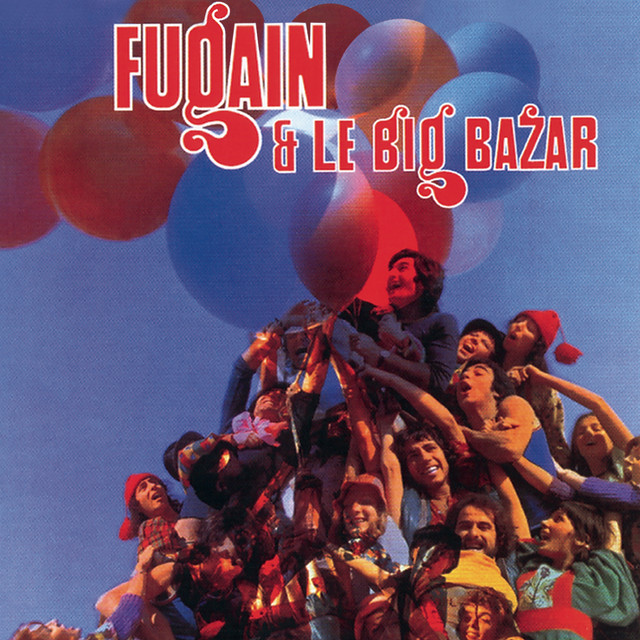
Why 'Une belle histoire' Still Feels So Human
The meaning of Une belle histoire Michel Fugain & Le Big Bazar starts with a simple idea: some love stories matter because they are brief, not despite it. This 1972 French hit by Michel Fugain & Le Big Bazar tells of two young strangers who meet by chance, share a small pocket of freedom, and then go their separate ways. That modest plot is the point. The song says a moment can be complete even when it does not last.
"Une belle histoire" - Michel Fugain & Le Big Bazar
C'est une romance d'aujourd'hui
Il rentrait chez lui, là-haut vers le brouillard
Loading lyrics...
Unable to load lyrics
We're unable to display the lyrics at this time. Please try again later.
Factually, the song was written by Michel Fugain and Pierre Delanoë, released in 1972, and appeared on the album Fugain et le Big Bazar. It became a major success in France, reportedly selling more than 800,000 copies and topping the charts there, according to the available reference material: Wikipedia.
A Romance Built on Chance, Not Destiny
The opening refrain frames the story as un beau roman
and une belle histoire
. Before any details arrive, the song presents the encounter like a modern fable. But it is not a fairy tale about forever. It is a story about timing.
The two travelers are moving in opposite directions. He heads back toward le brouillard
, or fog, while she goes south toward warmth and light. That contrast matters. Even in a very short phrase, the song sets up two emotional climates: one gray and ordinary, one open and bright.
Interpretation: the meeting feels magical because it happens between destinations. They are not settled. They are in motion, and that makes them free enough to connect.

Watch the official Une belle histoire
music video
The Plot Moves Fast, and That Is the Message
The narrative unfolds in just a few scenes:
- Two strangers cross paths on a vacation highway.
- They step outside normal life and spend time together.
- They act like people at the beginning of life, full of openness.
- Morning comes, and they separate.
That compressed timeline is emotionally important. On the road, they find each other au bord du chemin
, literally at the side of the road. The image suggests accident, luck, and possibility.
Then the song places them in a wheat field, away from traffic and schedules. It is one of the song's most vivid images. Instead of building a future, they share a present. The lyrics emphasize youth and immediacy, even calling them children in spirit. They are not childish; they are simply unguarded.
Sur l'autoroute des vacances
C'était sans doute un jour de chance
Those lines capture the whole emotional logic. The setting is temporary, and the joy is tied to that temporary space.
What the Chorus Really Means
The chorus repeats the idea that this is a beautiful story from today, not from legend. That matters because the song rejects grand tragedy and also rejects cynicism. It treats an ordinary modern encounter as worthy of poetry.
When the refrain returns after the wheat-field scene, it does not deepen into a promise. Instead, it becomes more fragile. The listener now knows the story will not last. So the repeated words sound less like celebration alone and more like an act of preservation. They are naming the memory before it disappears.
Interpretation: the chorus turns a short-lived romance into something durable by giving it narrative form. They may not stay together, but the story stays whole.
Symbols That Carry the Song's Heart
Several images do most of the emotional work:
Fog and the South
The northbound fog suggests routine, uncertainty, maybe even emotional dullness. The southern destination, the Midi, suggests sun, ease, and desire. The song does not explain either character in detail, but these locations help define their emotional pull.
The Road
The vacation highway is not just a place. It is a zone outside regular life. People on holiday often act with more openness because they are briefly free from identity, work, and habit.
The Wheat Field
The field gives the song its pastoral dream. Nature becomes a shelter where time slows down. It is intimate without becoming explicit.
Providence
The song mentions providence as if chance almost feels sacred. Not in a strict religious sense, but in the way a random event can feel meant to happen.
How the Sound Supports the Story
Part of the meaning of Une belle histoire Michel Fugain & Le Big Bazar comes from its sound. Michel Fugain & Le Big Bazar were known for a communal, bright pop style that mixed chanson with buoyant group vocals. The arrangement here feels light on its feet, which keeps the story from sounding tragic.
The melody moves with a conversational ease, almost like someone remembering a summer day. Group singing adds warmth and a social, open-air feeling. Instead of making the encounter private and tortured, the production makes it feel shared, human, and accessible.
That balance is key. If the music were darker, the parting would sound devastating. If it were too cheerful, the ending would lose its ache. The song succeeds because it holds both emotions at once.
A French Story With a Wider Horizon
An interesting bit of background also shapes the song's feel. According to the research summary, Fugain first imagined the action on U.S. Route 66, but lyricist Pierre Delanoë relocated it to France; see Wikipedia. That detail helps explain why the song feels both local and expansive. It has the freedom of a road movie, but the imagery stays rooted in French geography.
Its broad appeal is clear in its afterlife. The song inspired multiple international adaptations, including versions in Italian, Dutch, Turkish, English, Spanish, and Japanese, which suggests the core idea travels well: brief connection is universal.
The Lasting Meaning
In the end, the song does not argue that every great love must survive. It argues something subtler: a passing encounter can still be true, beautiful, and enough for what it was. They meet, they share a day that feels larger than life, and they part with gratitude instead of bitterness.
That is why the song still resonates. It honors the kind of relationship many people recognize but rarely see treated gently in pop music.
Disclaimer: This article offers interpretation based on the lyrics, musical style, and available historical context. Meaning can vary from listener to listener.







