Why ‘Bang Bang’ Still Hurts So Much
The meaning of Bang Bang - My Baby Shot Me Down Nancy Sinatra comes down to one striking idea: a simple childhood game becomes a lifelong wound. In Nancy Sinatra’s version, the song sounds small and almost delicate, but that softness is exactly what makes it devastating.
"Bang Bang - My Baby Shot Me Down" - Nancy Sinatra
We rode on horses made of sticks
He wore black and I wore white
Loading lyrics...
Unable to load lyrics
We're unable to display the lyrics at this time. Please try again later.
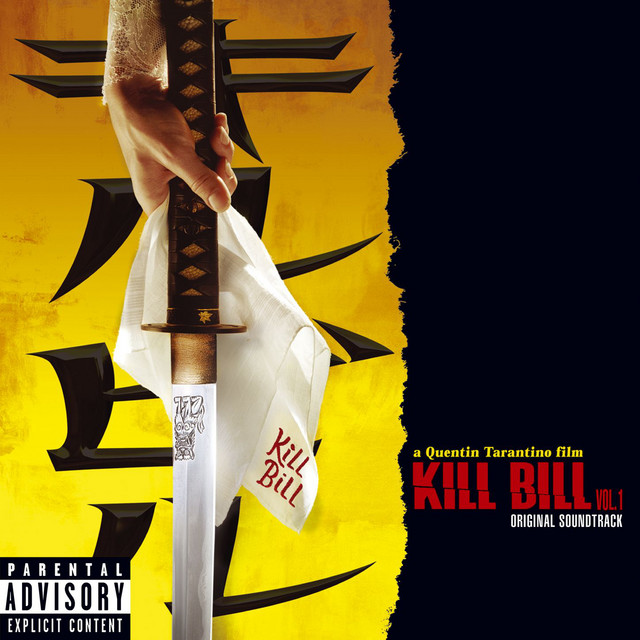
Written by Sonny Bono and first released by Cher in 1966, the song was later recorded by Nancy Sinatra the same year. Sinatra’s version is the one many listeners now think of first, helped by its stark production and later exposure in film, especially Kill Bill Vol. 1.[^1][^2]
A Love Story Told Like a Nursery Rhyme
What makes the song memorable is its plainspoken storytelling. It begins in childhood, where two kids play games and imagine battles. The line about being young and riding on stick horses creates a world of innocence before any real emotional stakes appear.
Then the song quietly shifts. What first sounds playful starts to point to a pattern in the relationship. One child always wins, one always falls, and the game teaches a kind of emotional script. By the time love enters the story, those old roles seem to remain in place.
Interpretation: The song suggests that heartbreak can feel especially brutal when it repeats a dynamic that began long before adulthood. The pain is not only about losing love. It is also about realizing the story may have been uneven from the start.

Watch the official Bang Bang - My Baby Shot Me Down
music video
The Chorus Turns Play Into Pain
The famous refrain is short, blunt, and unforgettable. When the singer says bang bang
and then I hit the ground
, the image sounds like a child’s game on the surface. But in context, it becomes a metaphor for emotional collapse.
That is why the hook lands so hard. There is no dramatic explanation, no long argument, and no detailed breakup scene. Instead, the song reduces heartbreak to impact, shock, and silence. The phrase awful sound
captures that instant when loss becomes real.
The simplicity matters. Many breakup songs explain too much. This one does the opposite, and that restraint gives listeners room to place their own hurt inside it.
From Childhood Memory to Adult Abandonment
The song’s narrative unfolds in a clean arc:
- Two children play at fighting.
- They grow older and become a couple.
- Their old game becomes a symbol of real harm.
- The relationship ends, and the singer is left grieving.
One of the saddest details is that the breakup is not framed as a dramatic betrayal scene. Instead, the loss arrives with absence. The other person is simply gone, with no explanation and no comforting lie. That detail makes the ending feel cold, unfinished, and true to life.
A brief lyric phrase like he didn’t say goodbye
carries the emotional center of the last verse. The wound is not just rejection. It is the lack of closure.
Nancy Sinatra’s Voice Changes the Meaning
Factually, Nancy Sinatra recorded the song for her 1966 album How Does That Grab You?.[^3] Her version is often singled out because of its sparse arrangement, featuring a hypnotic tremolo guitar and very little ornament around the vocal.[^4]
That sound changes how the lyrics are heard. Cher’s original has more of a dramatic pop sweep. Sinatra’s reading feels colder, lonelier, and more intimate. They do not belt the pain outward. They seem to hold it close, almost in disbelief.
Why the Production Feels So Empty
The track leaves space around the voice. That empty space mirrors the story itself: someone is missing, and what remains is echo, memory, and impact. The guitar line feels repetitive, almost like a thought the singer cannot stop replaying.
Interpretation: The arrangement makes the song feel like a memory loop. They are not only telling the story; they are reliving it.
He wore blackandI wore whiteEven in childhood, the song sketches two fixed roles.
That contrast is one of the song’s smartest details. It paints the relationship in opposites from the start, almost like a fable. Whether those colors suggest innocence versus danger, or simply two sides in a game, they help the story feel mythic and immediate at once.
Symbols That Carry the Song
Several motifs deepen the meaning without needing many words:
- Childhood games: They show how early patterns can shape later love.
- Guns and falling: These images stand in for emotional damage.
- Sound: The repeated shot is really the moment heartbreak lands.
- Silence and disappearance: The ending hurts because there is no answer.
This is why the meaning of Bang Bang - My Baby Shot Me Down Nancy Sinatra still connects with listeners in the United States and beyond. The song understands that heartbreak often feels childish and ancient at the same time. Adults can be thrown back into the helplessness of a child when love ends suddenly.
Why the Song Endures
The song lasts because it balances opposites so well: innocence and danger, play and grief, sweetness and cruelty. It is easy to follow, but hard to shake.
It also leaves room for more than one reading. Interpretation: Some hear a breakup ballad. Others hear a broader story about power in relationships, where one person keeps control while the other keeps falling. Both readings fit the lyrics and the performance.
In the end, the song is less about a weapon than about emotional shock. It captures the feeling of being struck by love, memory, and loss all at once.
Disclaimer: This article offers an interpretation of the song based on its lyrics, recording context, and public reception. Song meanings can remain open, and listeners may hear something different.
[^1]: Sonny Bono is credited as the writer in major song databases and release documentation. [^2]: The song’s use in Kill Bill Vol. 1 helped revive interest in Sinatra’s version. [^3]: Nancy Sinatra released the track on How Does That Grab You? in 1966. [^4]: The recording is widely noted for its minimal arrangement and tremolo-guitar-led atmosphere.







