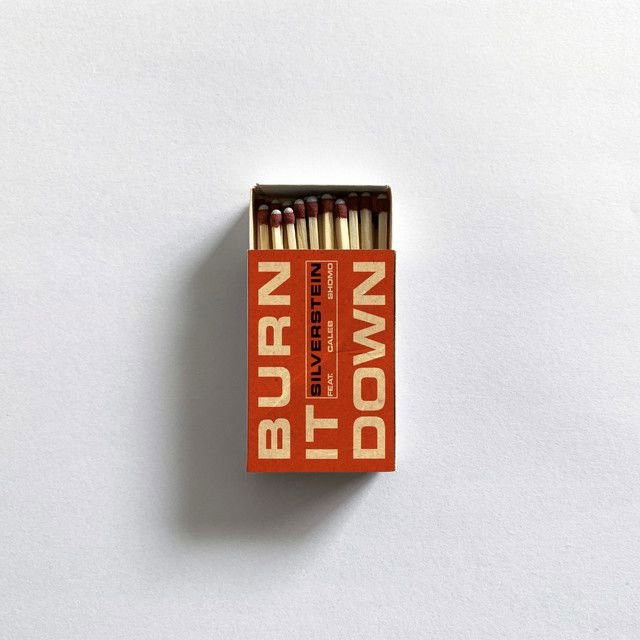
Burn It Down by Silverstein, Caleb Shomo
The meaning of Burn It Down Silverstein, Caleb Shomo centers on emotional overload. The song captures the instant when pain, betrayal, and frustration stop feeling manageable. Instead of asking for comfort, they imagine destruction as release.
"Burn It Down" - Silverstein, Caleb Shomo
Burn it down
I woke up in a dark place
Loading lyrics...
Unable to load lyrics
We're unable to display the lyrics at this time. Please try again later.
That does not make the song simple. Its language is violent and dramatic, but the feeling underneath is familiar: when someone is hurt badly enough, they may want to tear down the whole situation rather than keep surviving inside it.
A Breaking Point Set on Fire
On the surface, the narrator wakes in confusion, fear, and emotional shock. They describe a world that feels blurred and unstable, then move quickly toward images of flame, doom, and collapse. The line about a dark place
frames the song immediately as a mental and emotional crisis.
From there, the song keeps returning to fire as both threat and temptation. The idea of a kerosene cure
is especially telling. It suggests they know the solution they crave may actually make things worse. In other words, the song is not really praising destruction. It is showing how destruction can start to feel attractive when someone feels cornered.
Watch the official Burn It Down
music video
Who They Seem to Be Singing To
A key tension in the track is the word “you.” Sometimes that “you” sounds like a lover or betrayer. The narrator wants to see that person’s face, feels deceived by them, and says they were wounded deeply.
But the song also hints that this voice may be internal. The repeated dream image, where someone is screaming burn it down
, could be another person, or it could be their own mind pushing them toward chaos. Interpretation: that ambiguity is part of the song’s power. It feels like both a toxic relationship and a private mental spiral.
How the Verses Build the Collapse
The verses move in a clear emotional sequence:
- They wake disoriented and desperate.
- They feel lied to and abandoned.
- They sense that an ending has already begun.
- They stop resisting the urge to destroy the situation.
The image of having their fortune read
by dead-lit fire adds a gothic, almost supernatural tone. It makes the crisis feel fated, as if they can already see disaster coming. Then the song says they saw the start of the end
, which pushes the story from anxiety into inevitability.
That matters because the chorus does not arrive as a random explosion. It sounds like the result of pressure building too long.
Why the Chorus Hits So Hard
The chorus is blunt, repetitive, and urgent. It keeps circling the same command, making it sound less like a plan and more like a compulsion. The phrase there's no way out
is crucial because it explains why burning everything down feels necessary to the narrator.
Interpretation: the chorus is about choosing ruin when every other option feels blocked. It turns helplessness into action, even if that action is reckless. That is why the hook feels both dangerous and empowering.
I lit the match
in the middle of the crowd
This short moment changes the song. Earlier, the voice is overwhelmed. Here, they act. Whether that act is revenge, self-sabotage, or a dramatic refusal to stay silent, the song turns from suffering into confrontation.
Caleb Shomo’s Feature Adds Another Layer
Caleb Shomo, known for Beartooth and his work across heavy rock and metalcore, fits naturally here. His presence boosts the song’s volatility. When his section arrives, the track feels more physical, more explosive, and less trapped inside private pain.
That matters to the meaning of Burn It Down Silverstein, Caleb Shomo because the feature widens the emotion. Silverstein often excel at mixing melody with desperation, while Shomo brings a harsher edge. Together, they make the song sound like a panic attack turning into a riot.
For context, Silverstein are long-running Canadian post-hardcore veterans with a career stretching back to the early 2000s, as outlined on their official bio. Caleb Shomo’s background with Beartooth also helps explain the heavier guest energy heard on the track, reflected in Beartooth’s artist profile.
How the Sound Carries the Meaning
Production-wise, the song leans on speed, distortion, and dynamic pressure. The guitars push forward instead of sitting back. The drums drive hard, giving the chorus a feeling of no brakes. That matches the lyric idea of momentum that cannot be stopped.
The vocals also do important story work. Clean singing carries the fear and exhaustion in the verses, while the more forceful delivery makes the chorus feel like an emotional break in the dam. By the time the gang-like repetition and heavier feature arrive, the arrangement makes “burn it down” sound communal, not just personal.
Two Strong Readings of the Song
Interpretation 1: A toxic relationship detonates
Many lines support the idea that the narrator has been betrayed by someone close. They feel deceived, injured, and left reaching for rescue that never comes. In this reading, burning it down means ending the relationship in the most final way possible.
Interpretation 2: Self-destruction masquerades as freedom
The song also works as a portrait of inner collapse. Dreams, blurred vision, doom imagery, and compulsive repetition all suggest someone losing control. In this reading, the fire is not liberation but temptation.
Both readings can be true at once. A broken relationship can trigger a mental spiral, and the song is strongest when heard in that overlap.
Final Take on the Song’s Message
The meaning of Burn It Down Silverstein, Caleb Shomo is not simply “rage.” It is about what rage grows out of: fear, betrayal, helplessness, and the seductive fantasy of wiping the slate clean through destruction.
What makes the track stick is that they do not present that fantasy as healthy or heroic. They present it as real. And in heavy music, that honesty often hits hardest.
Disclaimer: This interpretation is based on the lyrics, performance, and available artist context. Like many songs, it can support more than one valid reading.









