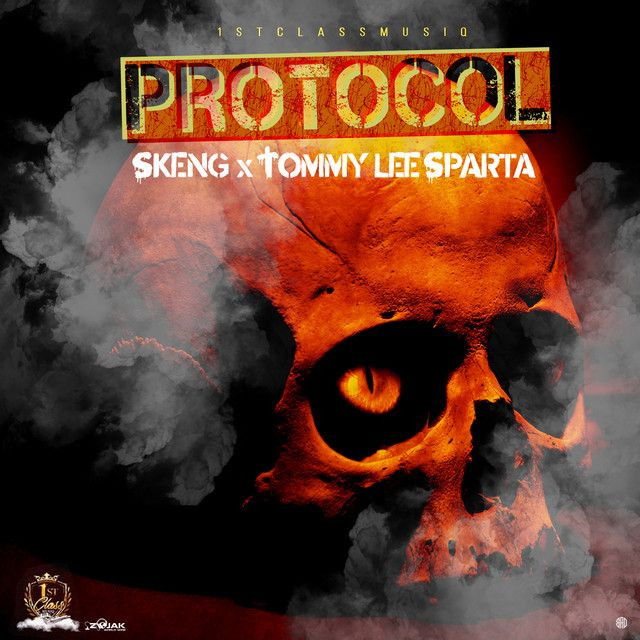
Why 'Protocol' Feels Like a Rulebook for Fear
The meaning of Protocol Skeng, Tommy Lee Sparta comes down to control. The song is not subtle about that. It builds a world where status is measured by who can command space, silence rivals, and prove they are ready for conflict at any time.
"Protocol" - Skeng, Tommy Lee Sparta
Dem love chat, dem nuh run dem block
Run dem block, 1st Class
Loading lyrics...
Unable to load lyrics
We're unable to display the lyrics at this time. Please try again later.
Rather than tell a detailed story, the track works like a warning. Skeng and Tommy Lee Sparta present toughness as a system, almost a routine. That is why the title matters: “protocol” suggests procedure, rules, and expected responses. In this song, violence is framed as the code of the environment.
The Core Idea Behind the Track
At the center of the song is a claim that their opponents talk big but do not really hold power. Early on, they dismiss rivals with the repeated idea that they nuh run dem block
. In plain terms, they are saying other people only perform strength, while the speakers believe they actually control the territory.
That repeated contrast drives almost every verse. The song keeps setting up two groups: the real enforcers and the pretenders. Even flashy details like watches, cars, and brand names feed that split. Wealth here is not just luxury; it becomes proof of survival and dominance.
Interpretation: the song is less about one specific enemy than about maintaining a reputation. Its real subject is the pressure to appear untouchable.
Watch the official Protocol
music video
Why the Title “Protocol” Is So Important
The title gives the song a colder edge. A lot of aggressive tracks sound emotional or impulsive. This one often sounds organized. When they say Protocol
, they make retaliation feel standard, not accidental.
That changes the mood. The threats are not framed as a loss of control. They are framed as the expected response in a harsh world. The title turns the song into a statement about rules: if someone crosses a line, there is already a script for what comes next.
That idea also helps explain the track’s confidence. The artists do not sound unsure. They sound like people following a code they believe in.
How the Verses Build Power
The verses pile up images of weapons, vehicles, movement, and fear. Those details create speed and pressure. Instead of pausing to reflect, the song keeps moving forward, like a patrol or pursuit.
A short phrase like whole place get hot
shows how fast the atmosphere changes. One action can turn a normal setting into panic. Likewise, lines about lasers, clips, and compact weapons are not included for realism alone. They function as symbols of readiness. The message is simple: they are always prepared.
Another key phrase is Bad as we born
. This pushes the idea that toughness is natural, not learned. In other words, they are not claiming they became dangerous because of one event. They present danger as part of identity.
Interpretation: that matters because it removes any gap between the speakers and the violence they describe. The song wants listeners to feel that this persona is permanent.
Skeng and Tommy Lee Sparta’s Shared Energy
The collaboration makes sense because both artists are known for intense, dark-edged dancehall styles. The lyrics provided credit the song to Kevon Douglas and Leroy Russell, the legal names associated with Skeng and Tommy Lee Sparta.
Their pairing also sharpens the song’s theatrical side. Skeng often brings raw, urgent force. Tommy Lee Sparta adds a more gothic, sinister presence that fans have long associated with his image and delivery. Together, they make “Protocol” feel like more than a threat record; it becomes a performance of menace.
Even a phrase like dark up he shift
helps that effect. It suggests not just action, but a mood of shadow, dread, and intimidation.
What the Hook Really Says
The chorus is where the song’s message becomes blunt. It keeps returning to the claim that rivals are not built the same and cannot hold ground under pressure. That repetition matters because it turns personal boasting into a public verdict.
Hooks in dancehall often carry the slogan of the song, and this one does exactly that. Listeners are meant to leave with one clear impression: there is a hierarchy, and the speakers place themselves at the top.
This is why the hook feels almost chant-like. It is less about new information and more about reinforcement.
How the Production Supports the Meaning
The beat’s role is crucial. Even from the lyrics tag, the track is tied to 1st Class Musiq, and the production style suggested by the writing is lean, aggressive, and built for impact. There is little in the song’s language that suggests warmth or melody-first emotion. Instead, the rhythm likely leaves space for attack-heavy delivery, sharp pauses, and sudden emphasis.
That kind of dancehall production helps the meaning land. Sparse but hard drums can make every line feel like a warning. Repetition in the instrumental can also mirror the title’s idea of protocol: patterns, cycles, and repeated reactions.
In other words, the sound does not soften the message. It disciplines it.
A Bigger Reading of the Song
One reading is straightforward: it is a street anthem built on intimidation and status. Another reading goes deeper. The song may also show how artists use extreme language to build myth, especially in a scene where presence matters as much as narrative detail.
When they brag, threaten, and compare themselves to weaker rivals, they are also shaping a brand. In that sense, “Protocol” is about image management as much as conflict. Power has to be seen, repeated, and believed.
Final Take on the Meaning
The meaning of Protocol Skeng, Tommy Lee Sparta is about enforcing a code of fear. It turns violence, status, and territory into a system of rules, then presents the artists as the ones who understand and control that system.
For listeners, the song lands not because it is reflective, but because it is relentless. It is designed to feel like pressure from the first line to the last.
Disclaimer: This interpretation is based on the lyrics provided, artist persona, and common dancehall themes. Meaning can vary by listener and context.








