Why "Take the Long Way Home" Still Hits
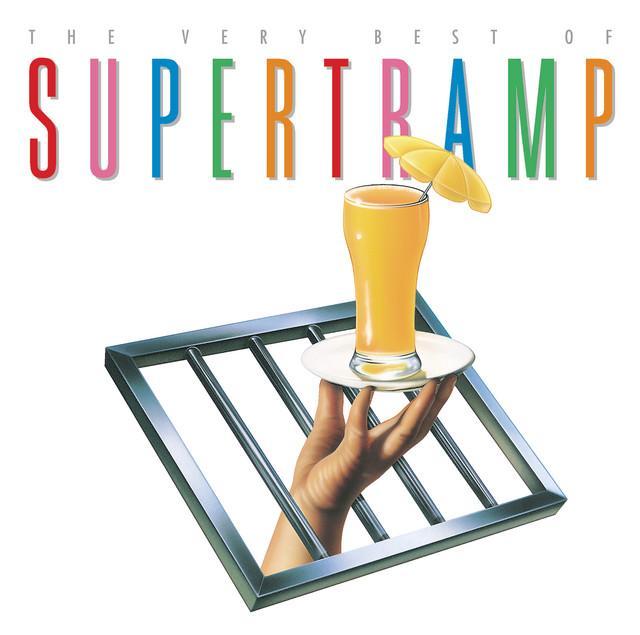
The meaning of Take the Long Way Home Supertramp comes down to a sharp emotional split: a person looks successful from the outside, yet feels lonely, reduced, and unsure of who they really are. Released on Breakfast in America in 1979, the song became the third US single from that album and reached No. 10 on the Billboard Hot 100. It was written by Roger Hodgson and produced by Supertramp with Peter Henderson.
"Take The Long Way Home" - Supertramp
Playing a part in a picture-show
Take the long way home
Loading lyrics...
Unable to load lyrics
We're unable to display the lyrics at this time. Please try again later.
What makes it last is not just the hook. It is the way the song turns an ordinary drive home into a bigger question about identity, regret, and whether “home” is even a place.
A catchy chorus hiding a hard truth
On the surface, the song follows someone who keeps delaying the return home. The repeated title phrase, take the long way home
, sounds casual at first. But the idea quickly darkens. They are not just choosing a scenic route; they are avoiding a life that feels cold and disappointing.
Early lines poke at self-image. The song opens with you think you're a Romeo
, which frames the character as someone acting out a glamorous version of themselves. That is why the next idea, about being in a picture show, matters so much. The song suggests they are performing a role instead of living honestly.
Interpretation: This is a song about self-deception before it is a song about marriage. The drive home is the space where fantasy starts to crack.

Watch the official Take The Long Way Home
music video
The gap between public praise and private emptiness
One of the strongest themes is the split between how a person is seen and how they feel. In one world, they are admired. In another, they feel invisible. The lyrics move between those two states with almost painful speed.
The public side appears in phrases like playing to the gallery
and the later image of being on stage. Those moments suggest applause, ego, and performance. But the private side is much smaller and sadder. At home, they feel like part of the furniture
, as if they have become an object rather than a partner.
That contrast matches Roger Hodgson's own explanation. He said the song works on one level as a man not wanting to go home to his wife, but on a deeper level it is about finding the place inside where a person truly feels at home. That comment is important because it keeps the song from being only a domestic drama.
Home as address, and home as the heart
Hodgson has described the song as having “multi-level” meaning, saying that “home is in the heart.” That gives the chorus a second life. The long route is not just a drive through town. It is the long route through adulthood, ego, disappointment, and reflection.
In that reading, the song asks a simple but uncomfortable question: what happens when someone builds a whole identity around being admired, needed, or impressive, and then discovers none of it feels real? The word “home” becomes spiritual rather than geographic.
When lonely days turn to lonely nightsYou take a trip to the city lights
These lines show the pattern clearly. Instead of going inward, the character reaches for noise, movement, and distraction. The city lights offer escape, but not healing.
The song's quiet images of humiliation
The meaning of Take the Long Way Home Supertramp also depends on its small humiliations. The character is not presented as tragic in a grand, cinematic way. They are cut down by ordinary details.
Being the joke of the neighborhood
suggests social embarrassment. Feeling like scenery suggests they barely register in their own life. Looking back at what you could have been
introduces regret, not just about relationships, but about wasted possibility.
Interpretation: The song may be describing a midlife crisis, but it avoids clichés because it focuses on shrinking self-worth. The crisis is not flashy. It is the slow realization that they have been living for appearances.
Why the music sounds brighter than the message
Part of Supertramp's genius was contrast. Contemporary reviews noticed the mismatch between the song's buoyant sound and its darker lyric. That tension is central to why it works.
The track moves with a light, almost skipping rhythm. The keyboards are crisp, the melody is immediate, and the arrangement has the polished pop craft that helped Breakfast in America become a major album. Critics at the time praised its hook and upbeat feel even while noting its pessimistic words.
That brightness matters because it mirrors the song's subject. The character keeps up an appealing surface while feeling lost underneath. Even the memorable sax and harmonica touches add warmth and motion, as if the song itself is still traveling, still refusing to stop and face the silence.
A final warning inside the refrain
By the end, the title phrase changes meaning again. It no longer feels like a choice made in the moment. It sounds like a judgment on a whole life. If someone keeps avoiding the truth, they may eventually look back and realize they did not just delay going home. They missed it.
That is why the ending lands so hard. The song turns a common act of avoidance into a life pattern: delay, distraction, performance, regret. Beneath the pop surface, it is a cautionary song about losing touch with one's inner center.
For many listeners, that is why it remains so relatable. Almost everyone knows what it is like to postpone a hard conversation, hide inside a role, or wonder whether success has covered up a deeper emptiness.
The lasting takeaway
In plain terms, the song is about a person who would rather keep moving than face what home has become. Interpretation: on its deepest level, it is about taking the long route back to the self.
That mix of everyday realism and existential doubt is what gives the song its staying power. This interpretation is based on the lyrics, recording context, and Roger Hodgson's public comments, but like many great songs, it still leaves room for personal meaning.








