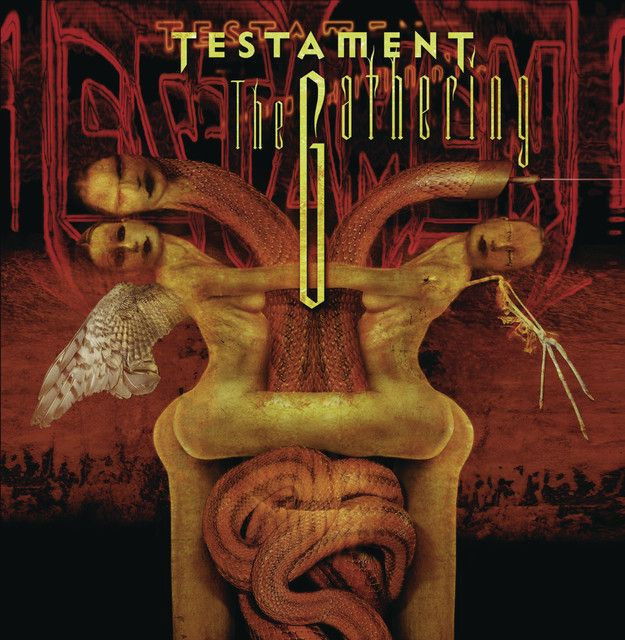
Down for Life by Testament
A metal song about loyalty, not just toughness
The meaning of Down for Life Testament centers on lasting friendship under pressure. Beneath the band’s heavy sound, the song tells a sad and loyal story: someone watches a close friend suffer, remembers better times, and refuses to abandon him.
"Down for Life" - Testament
What I see is like no other
What we had forever lost
Loading lyrics...
Unable to load lyrics
We're unable to display the lyrics at this time. Please try again later.
This is what gives the track its emotional pull. It is not a simple anthem about being hard or fearless. It is about standing by someone when that bond has been damaged, tested, and made painful.
Watch the official Down for Life
music video
What the song is really saying
At its core, the narrator sees a friend like a brother. Early lines such as my brother
and can't deny our friendship
frame the relationship as deep and old. The song then shifts into loss. Something has changed, and the connection is no longer easy.
The lyrics suggest that the friend is trapped in a cycle of suffering. The narrator can see it. Other people can see it too. Yet seeing the problem does not mean they can fix it.
Interpretation: The song’s main idea is that loyalty does not always come with power. They can stay, support, and remember, but they cannot fully rescue a person from self-destruction.
The emotional timeline inside the lyrics
The song moves in a clear emotional order, which helps explain why it hits so hard:
- It starts with closeness and memory.
- It turns to a broken relationship.
- It admits the friend is still suffering as an adult.
- It promises not to run away.
- It reaches a painful truth: friendship remains, but control does not.
That middle section is especially important. When the narrator says darkest hour
, they are not describing a small problem. They are talking about a real crisis point.
Later, the song becomes more helpless. The repeated thought that they cannot protect or save this person shows the limit of even strong brotherhood. That tension gives the song its heart.
Who is speaking, and to whom?
The narrator speaks in the first person, but the emotional target shifts. Sometimes they speak about the friend to the listener. At other moments, they seem to speak directly to the friend, especially near the end with you can't hear what I say
.
That switch matters. It makes the song feel like both a confession and a plea. They are processing grief, but they are also trying one more time to reach someone who may be too far inside his own pain.
A brief lyric moment that captures the core
The song’s central conflict comes through in this short passage:
I... feel... I cannot help my friend Help him self
This is the emotional key to the entire track. The narrator is not cold, and they are not giving up. They are admitting a harsh truth: friendship can offer love and presence, but not total control over another person’s choices.
How the chorus turns loyalty into a vow
The title phrase is the song’s clearest promise. When Testament uses down for life
, they turn friendship into a long-term commitment, not a passing feeling.
In plain terms, the song says: even if the friend changes for the worse, even if the past cannot return, the bond still matters. That promise carries both strength and sadness. It is noble, but it also sounds exhausted.
Interpretation: The title works almost like a creed. It means they are still loyal, even when loyalty hurts.
Memory, change, and the fear of losing someone
One of the strongest themes in the lyrics is the gap between youth and adulthood. The narrator looks back on younger days when chaos felt normal and no one understood what was coming. Now they are older, and the friend seems frozen in the same harmful state.
That contrast drives the song’s sorrow. Growth has happened for some people, but not for him. The line of thought around he's still the same
is not praise. It sounds like grief over a person who never escaped old patterns.
Another strong motif is brotherhood. This is more than casual friendship. It is chosen family. That is why the pain feels so personal.
How the metal sound carries the message
Testament are one of thrash metal’s key bands, formed in the Bay Area scene in the 1980s, as noted in the band’s official history and major music references. Their style often mixes speed, precision, and dark emotional weight. That matters here.
Even without citing long technical credits, listeners can hear how the arrangement supports the theme. The guitars are heavy and firm, giving the song a sense of resolve. The drums push forward like determination under stress. The vocal delivery adds grit, which makes the words feel lived-in rather than polished.
Instead of making the song feel triumphant, the metal framework gives it force. It sounds like someone trying to hold the line emotionally. The music is tough, but the message is wounded.
The strongest interpretation of the song
The most convincing reading is that "Down for Life" is about watching a lifelong friend battle something bigger than friendship alone can solve. That could be addiction, mental illness, trauma, or a broader pattern of self-destruction.
The lyrics stay open enough that listeners can bring their own experience. That openness is a strength, not a flaw. It lets the song speak to anyone who has loved someone they could not fully reach.
Why the song still connects
The meaning of Down for Life Testament lasts because it captures a hard truth many people know: caring deeply for someone does not guarantee that they will change. But the song also says loyalty has value even then.
That is what makes the track more than a heavy-metal friendship song. It is about devotion under helplessness, memory under loss, and love that remains even when rescue does not.
Disclaimer: This interpretation is based on the lyrics provided and widely known artist context. As with most songs, different listeners may hear different meanings.







