Why "Hallelujah Day" Feels Bigger Than Pop
The meaning of Hallelujah Day The Jackson 5 starts with a simple idea: relief is finally arriving. The song sounds joyful on the surface, but its lyrics suggest more than a generic celebration. They sing about hope after strain, reunion after separation, and a public kind of happiness that feels shared by a whole community.
"Hallelujah Day" - The Jackson 5
It's coming to ya, children gather round now,
Clap your hands and sing.
Loading lyrics...
Unable to load lyrics
We're unable to display the lyrics at this time. Please try again later.
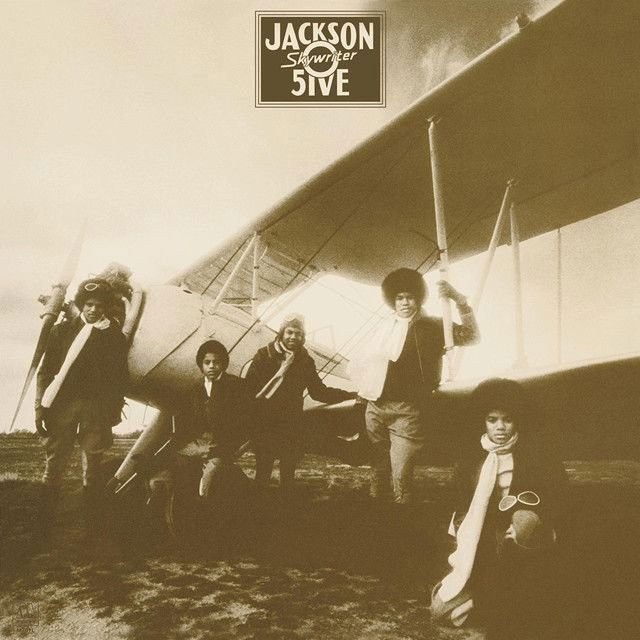
Released in 1973 during the group’s Motown years, “Hallelujah Day” appeared in the same period as Skywriter, which came out on March 29, 1973, according to the Jackson 5 discography record. That same discography also shows the single reaching No. 28 on the U.S. chart, No. 10 on the U.S. R&B chart, No. 20 in the UK, and No. 31 in Australia. Those numbers matter because they show the song connected beyond one market and fit into the group’s larger run of hit singles.
A Celebration Song With a Deeper Pulse
At its core, the song presents a day of deliverance. The repeated hook love is on its way
turns hope into something active and close, not distant. Instead of describing love as private romance, the lyric frames it as a force arriving for everyone.
That broad feeling matters. The song invites listeners to imagine a world changing in real time, where people can gather, sing, and believe the hard part is ending. When they mention children gather round
and a bright sky, the language feels almost ceremonial, like a community welcome for better times.
Interpretation: This is why “Hallelujah Day” can be heard as both spiritual and social. The title uses the language of praise, but the verses point toward real-world healing too.

Watch the official Hallelujah Day
music video
The Key Lines Point to Reunion
The clearest clue comes in the verse about send our brothers home
. That short line changes the scale of the song. Suddenly, this is not just about good vibes or dancing. It suggests separation, longing, and the hope that absent loved ones will return.
That phrase opens two strong readings:
- A family reading: they are singing about loved ones coming back, which makes the celebration deeply personal.
- A social reading: they are speaking to a wider public hope, where “brothers” means a community divided by hardship, conflict, or distance.
Because the lyric never gets highly specific, both readings can live together. The emotional effect is the same: joy means more when it follows absence.
From Closed Doors to Open Streets
Another important part of the meaning of Hallelujah Day The Jackson 5 is how the song moves from blockage to release. They sing about someone finding the answer and opening a barrier, using images like opened up the door
. That tells listeners that change did not happen by magic alone. Something stuck has finally been unlocked.
The result is public, not hidden. The song imagines celebration spilling outward into the streets. In other words, hope becomes visible. It is not just a feeling in the heart; it becomes movement, music, and togetherness.
Somebody found the key,Somebody opened up the door,Now there'll be dancing in the streets.
That brief passage sums up the song’s structure. First comes the solution, then the opening, then the communal release. It is a neat little story of breakthrough.
How the Sound Sells the Message
The Jackson 5 were one of Motown’s defining groups, and their catalog was built on energy, rhythm, and crossover appeal. The discography record notes just how large that run was: 32 Billboard Hot 100 entries between 1969 and 2024, with 24 top-40 hits and the rare feat of having their first four singles reach No. 1. In that context, “Hallelujah Day” sounds like a classic example of the group’s talent for turning uplift into pop momentum.
Even without leaning on long lyric quotes, the production tells a lot. The arrangement is bright, quick, and highly participatory. Handclap-style rhythm, group vocals, and a gospel-leaning call to sing along all support the title’s message. The song does not sound reflective or private. It sounds like it wants a crowd.
That matters because the music reinforces the lyric’s promise. If the words say a better day is arriving, the groove acts like proof. The beat feels already in motion, as if the future they hope for has started.
Why the Gospel Language Matters
The word “hallelujah” carries religious weight, but the song uses it in an open, accessible way. They are not delivering a sermon. They are borrowing a word of praise to express release, gratitude, and group joy.
Interpretation: That makes the song work on two levels. Some listeners may hear faith language first. Others may hear a secular anthem about unity and relief. Either way, the word “hallelujah” raises the emotional temperature. It tells listeners this is not an ordinary good day. It is a day that feels earned.
The Jackson 5 Context Behind the Optimism
By 1973, the group was already far more than a passing teen act. They had moved from breakout stars to a major hitmaking force at Motown. “Hallelujah Day” sits in that middle period where their music still carried youthful excitement, but the themes could stretch toward something broader and more public.
That balance is part of the song’s charm. Michael Jackson’s youthful lead presence and the group’s harmonies keep it lively and approachable, while the lyrics hint at peace, return, and common purpose. The result is a song that feels innocent without being shallow.
Why the Song Still Lands
What keeps “Hallelujah Day” memorable is its refusal to separate personal hope from collective hope. It treats joy as something to share. The lyrics move from sunshine to reunion to street celebration, all while keeping the message plain enough for anyone to feel.
So the meaning of Hallelujah Day The Jackson 5 is not hard to grasp: they are singing about the moment when struggle gives way to togetherness. Whether listeners hear family reunion, social healing, spiritual gratitude, or all three, the song points toward the same destination: a better day has finally arrived.
Disclaimer: This interpretation is based on the song’s lyrics, sound, and release context. As with many pop songs, different listeners may hear its message in different ways.







