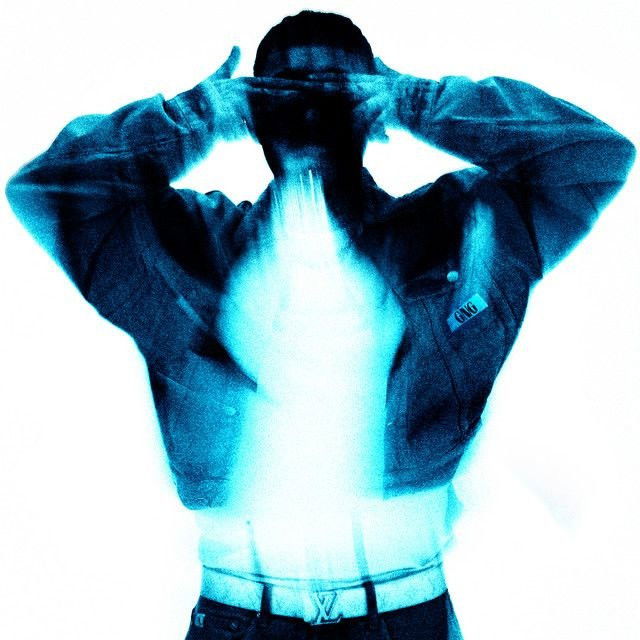
Why 'DIE ZONA' Is About More Than Place
The meaning of DIE ZONA UZI, RAF Camora starts with one simple idea: they treat home turf as identity, not just geography. This is a rap song about status and movement, but its emotional center is loyalty. Even when the verses celebrate money, cars, nightlife, and influence, the hook keeps pulling everything back to one rule: never betray the place and people that built them.
"DIE ZONA" - UZI, RAF Camora
Chavo, 34
Na-na, na-na, na-na, na-na
Loading lyrics...
Unable to load lyrics
We're unable to display the lyrics at this time. Please try again later.
UZI and RAF Camora frame “Zona” as a neighborhood code. In plain terms, they present success as real only if it still answers to where they came from. That makes the song feel larger than a standard flex track.
The Hook Turns the Neighborhood Into a Code
The chorus is the key to the whole song. When they repeat verrat' niemals die Zona
, they are not just naming a block or district. They are laying down a moral rule: do not switch up, do not forget, do not sell out.
They deepen that idea with the line her köşede varız
, which suggests presence on every corner. Paraphrased, they are saying their people have always been there, visible and rooted. Then the phrase buldum yolu
points toward a path or direction found through that same environment.
Interpretation: the song argues that identity came from the neighborhood before fame did. In that reading, “Zona” is both shelter and pressure. It gives them a name, but it also demands loyalty.
Two Verses, Two Versions of Power
RAF Camora’s verse leans into polish, control, and luxury. He stacks images of wealth and command: cash purchases, fast engines, escorts, yachts, and self-coronation. The line bin der CEO
matters because it sums up the persona. He does not answer to anyone; he presents himself as the boss.
But that boasting is not random. It shows what it looks like when someone from the zone rises high without dropping the zone from the story. The luxury details are trophies, yet the hook stops them from becoming empty bragging. They are proof of movement, not proof of separation.
UZI’s verse feels more grounded in pressure and local credibility. He warns people not to test him, says he will pull away from drama, and makes clear that he stayed where he always was. When he says mahalledeydim
, the point is simple: while others disappeared, they remained in the neighborhood.
That contrast makes the track work. RAF Camora expands the world outward; UZI pulls it back to the street level. One sounds international and cinematic, the other sounds immediate and local.
Street Pride, Not Simple Nostalgia
A major part of the meaning of DIE ZONA UZI, RAF Camora is that home is not described as innocent or soft. The song openly links the zone with danger, toughness, and hard lessons. That matters because their loyalty is not sentimental. They are not praising a perfect place. They are honoring a place that shaped them through conflict.
There is also a recurring focus on money as a survival tool. UZI’s repeated demand about cash suggests that in their world, wounds close through resources, not wishes. That does not make the song morally simple; it makes it realistic to the worldview they are presenting.
Interpretation: one reading is that they are showing how success becomes armor. Wealth, status, and a feared reputation help them avoid being powerless again.
How the Sound Supports the Message
The production tag and chant-led opening build immediate atmosphere. Even before the verses get detailed, the track feels communal, like a call shouted across a district. The repeated chorus works almost like a crew slogan, which strengthens the song’s theme of collective identity.
Musically, the beat supports both menace and swagger. The rhythm leaves room for each artist’s delivery to feel authoritative. RAF Camora’s smoother flow fits the luxury imagery, while UZI’s more direct phrasing sharpens the song’s street-level edge. That balance is important: the production lets the track sound expensive without losing grit.
This matters because the song’s message lives in that blend. If it were only dark, the victory would disappear. If it were only glossy, the neighborhood loyalty would feel fake. Instead, the sound holds both.
The Cultural Layer Behind the Lyrics
The lyrics move between German and Turkish, which is central to the song’s identity. That bilingual texture makes “Zona” feel tied to lived community rather than abstract branding. It reflects overlapping local and migrant realities often heard in European rap scenes, especially around district pride and outsider-made success.
Songwriting credits list Raphael Ragucci and Utku Cihan Yalcinkaya, which aligns with the two voices readers hear in the track. That shared authorship fits the song’s central message too: this is not a solo myth but a collective statement.
So What Is 'DIE ZONA' Really Saying?
At the deepest level, the song says that success means very little without loyalty. Cars, bars, bodies, and power all appear in the verses, but the chorus keeps judging those things by one standard: do they still honor the zone?
That is why the track lands. It is flashy, but it is not hollow. They present themselves as men who found a route upward while still carrying the rules of where they began.
Interpretation disclaimer: this reading is based on the released lyrics, performance choices, and artist context. Like most songs, DIE ZONA can support more than one interpretation.








