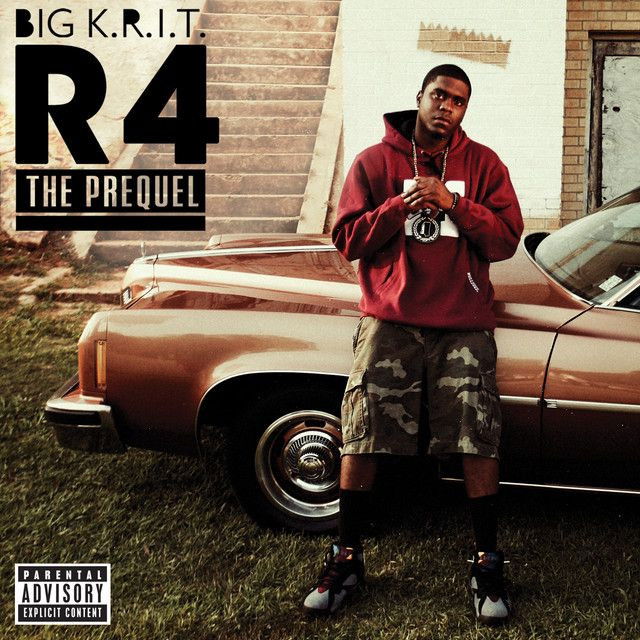
Why 'The Vent' Is Big K.R.I.T.'s Realest Confession
The meaning of The Vent Big K.R.I.T. starts with emotional overload. This is not a victory lap or a flex record. It is a song about carrying grief, guilt, faith, anger, and responsibility until those feelings need a way out.
"The Vent" - Big K.R.I.T.
It's only God's will, she said she felt the same.
It's funny how the sun will up and battle rain
Loading lyrics...
Unable to load lyrics
We're unable to display the lyrics at this time. Please try again later.
Released on 4eva N a Day in 2012, the song sits inside one of Big K.R.I.T.'s most respected mixtape-era projects, a tape that helped define them as a Southern rapper who could balance trunk-rattling production with personal writing. Facts about the project and release are widely documented in major music coverage and discographies, including DatPiff and Genius.
What the Song Is Really Saying
At its core, “The Vent” is about what happens when a person becomes the container for too much pain. They see death around them, feel let down by love, question their purpose, and worry about failing the people who trust them.
Instead of hiding that stress behind cool poses, K.R.I.T. admits the damage. When they describe putting their pain away and then exploding on loved ones, the song becomes a portrait of suppressed emotion turning outward. That is why the title matters: a vent is both a release valve and a confession booth.
Interpretation: The song suggests that honesty is not weakness. It is survival.

Watch the official The Vent
music video
Grief, Faith, and the Weight of Other People
The opening moves through mourning almost immediately. A mother has lost a child, and the speaker tries to comfort her. That scene sets the tone: this is a world where pain is common, but answers are not.
K.R.I.T. keeps returning to faith because faith is one of the few tools available when logic fails. They mention Heaven, ask spiritual questions, and try to understand why loss happens at all. A key idea comes through in the brief line God's will
, which is less a simple answer than a phrase people lean on when no answer feels big enough.
That same burden expands beyond one tragedy. They worry about a brother, remember a lost friend, and even imagine asking famous dead artists for clarity. The mention of Kurt Cobain is important because it links private suffering to public art. Success does not protect anyone from despair.
Pressure Behind the Persona
One of the sharpest parts of the song is its refusal to play the industry game. K.R.I.T. jokes that maybe they should write another shallow hit about luxury and vice, but the joke cuts deep. They know the market often rewards spectacle over substance.
When they say this is purely art
, they are drawing a line. They are rejecting fake image-making in favor of truth. That matters in the meaning of The Vent Big K.R.I.T. because the whole song is built around tension between commerce and conscience.
A Small Set of Big Conflicts
The verses circle around a few connected struggles:
- private pain versus public performance
- spiritual hope versus daily confusion
- love and care versus the demand to seem hard
- meaningful art versus empty attention
The line about a woman overlooking a caring heart while searching for a gangster captures one of those conflicts in miniature. It is not just a dating complaint. It is frustration with a culture that often mistakes toughness for worth.
How the Hook Changes the Meaning
The chorus is where the song opens wider. Instead of saying only “listen to me,” it says, in effect, “they understand because they hurt too.” Short phrases like I've been down too
and I'm lost too
turn the song into shared testimony rather than private therapy.
I pray that you find your way
all things old become new
These lines show the song's most hopeful turn. Even while they admit confusion, they still want renewal for someone else. That is one reason the track feels compassionate rather than self-pitying.
Interpretation: The hook says healing starts when people stop pretending they are above pain.
Sound, Production, and Emotional Design
Production matters a lot here. Big K.R.I.T. is known for producing much of their own work, and their style often blends soulful samples, Southern low end, and reflective pacing, as noted in coverage of their catalog by outlets like Pitchfork and Complex. “The Vent” moves slowly and heavily, giving each bar room to land.
The beat does not rush them. It feels spacious, almost haunted, which matches the song's themes of memory and spiritual searching. The drums stay grounded, but the mood is carried by warm, worn textures that sound like thought itself. That softness is important: if the beat were harder or busier, the confession might lose its force.
Their delivery also helps. They rap with control, but not distance. The voice sounds tired, reflective, and sometimes on the edge of cracking. That makes the song believable.
Why the Song Still Connects
Part of the song's lasting power is that it names a common habit: people store pain away until the box is too full. The brief image of lock and key
makes that emotional strategy easy to understand. They hide feelings, then wonder why the pressure breaks relationships.
The song also ages well because it challenges shallow ideas of strength. Real strength here is not domination. It is admitting fear, grief, and confusion without giving up on meaning.
For many listeners, that is the heart of the meaning of The Vent Big K.R.I.T. It is a song about emotional release, but also about moral clarity. They want art that touches the soul, and they want human connection that does not require a mask.
Final Take on K.R.I.T.'s Message
“The Vent” shows Big K.R.I.T. at their most human: grieving, searching, questioning, and still trying to offer comfort. The song argues that pain shared honestly can become a form of care.
That is why it still resonates. It is not just a vent session. It is a testimony about what people carry when life keeps moving and the heart has not caught up yet.
Disclaimer: This interpretation is based on the lyrics, the song's context, and publicly available information. Like all art, listeners may hear different meanings in it.








