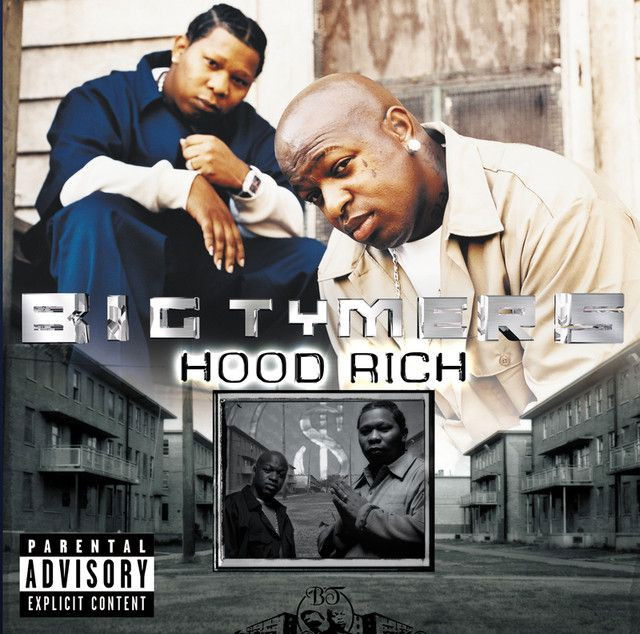
Why “Oh Yeah” Is Big Tymers at Full Shine
The big idea behind the flex
The meaning of Oh Yeah Big Tymers, Tateeze, Boo, Gotti is less about deep storytelling and more about building a whole lifestyle in song form. They present romance, status, cars, jewelry, and fame as one connected fantasy. The track is playful, boastful, and exaggerated on purpose.
"Oh Yeah" - Big Tymers ft. Tateeze, Boo, Gotti
Yeah, mmm hmmm
This one goes out to all the pretty young ladies out there
Loading lyrics...
Unable to load lyrics
We're unable to display the lyrics at this time. Please try again later.
At its core, the song sells a picture of Southern rap success. The verses move through promises, possessions, and public image, while the chorus turns that into a shared vibe between a flashy man and the woman riding with him. It is not subtle. That is the point.
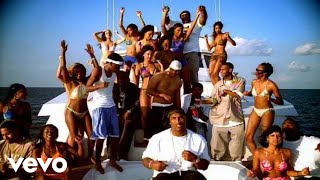
Watch the official Oh Yeah
music video
A Cash Money snapshot in sound
Big Tymers were one of the major acts tied to Cash Money’s late-1990s and early-2000s rise, with Birdman and Mannie Fresh forming the duo. That context matters because their music often leaned into luxury rap and label-brand swagger, a style widely associated with Cash Money’s commercial peak. Their history is well documented by sources such as AllMusic and Encyclopaedia Britannica’s overview of Cash Money-linked Southern rap figures.
In that world, excess is not just decoration. It is the message. “Oh Yeah” fits that formula by treating wealth and desirability as proof that they have won.
What the verses are doing
Mannie Fresh opens with a mock-sincere pitch to women, then quickly turns that sweetness into comic swagger. He talks like a devoted partner, but the devotion is mixed with control, bragging, and sexual humor. When he says treat her real good
, the idea is not simple tenderness. It is tied to gifts, protection, and the promise of a flashy life.
That mix matters. The song keeps bouncing between romance and possession. He frames the relationship as exclusive, practical, and physical. Even a line like flooded with ice
shows how love is measured through diamonds and visible spending.
Birdman’s verse shifts even harder toward image. He focuses on vehicles, rims, custom interiors, and personal shine. His language makes the car feel like an extension of identity. If the relationship is part of the fantasy, the ride is the stage where that fantasy gets displayed.
Gotti and Boo then widen the frame. Their verses turn the song into a crew statement. Now the message is not just one man talking to one woman. It becomes a group identity built around being seen, envied, and untouchable.
The chorus turns luxury into a relationship
The hook is the most important clue to the song’s emotional center. The woman’s voice says make me feel like a star
and asks for the keys to the car
. Paraphrased, the chorus suggests that romance here is inseparable from status and access. Feeling special means being included in the lifestyle.
You rollin' with me, I'm rollin with you
Daddy it's what ever you wanna do
This short exchange captures the song’s main bargain. They present closeness as a partnership, but one shaped by money, movement, and male power. The repeated response of Oh Yeah
keeps sounding like approval, agreement, and hype all at once.
Symbols that carry the meaning
Several recurring images help explain why the song lands the way it does:
- Cars: They symbolize mobility, wealth, and public visibility.
- Jewelry and “ice”: These stand for success that can be seen instantly.
- Women as stars: The song links affection to elevation and glamour.
- Crew roll call: Guest voices make status feel collective, not private.
These are standard rap symbols, but “Oh Yeah” uses them in a very direct, almost cartoon-bright way. Nothing is hidden. Everything is meant to sparkle.
How the production shapes the message
The production style is crucial to the meaning. Mannie Fresh was known for bright, punchy, club-ready beats, and his work helped define the Cash Money sound, as noted by The New York Times and AllMusic. On this song, the beat feels bouncy and stripped for maximum chant value.
That matters because the repetition does ideological work. The hook and the constant Oh Yeah
create a loop of confidence. The track does not ask listeners to think hard before they react. It wants them to nod, laugh, and join the flex.
The performances also sound loose in a strategic way. Rather than aiming for emotional vulnerability, they sound amused by their own image. That gives the song a teasing quality. They are bragging, but they are also putting on a show.
Interpretation: is the song serious or playful?
Interpretation: The song can be heard in two ways at once.
First, it works as a straightforward luxury anthem. They celebrate money, sex appeal, and status with very little resistance. In that reading, the song is exactly what it appears to be: an extravagant party record.
Second, it can sound knowingly over-the-top. The exaggerated promises, the repeated catchphrase, and the cartoonish piling up of wealth details make the song feel almost like self-parody. That does not cancel the bragging. It just gives it a wink.
Both readings can be true. In fact, that balance is part of why the record stands out.
Why the song still makes sense today
For modern listeners, the meaning of Oh Yeah Big Tymers, Tateeze, Boo, Gotti is a time capsule of rap’s shiny-suit era and Southern mainstream ambition. It shows how hip-hop could turn consumption into theater. The song is not trying to confess pain or reveal hidden depth. They are creating a mood where being rich, desired, and publicly admired feels like the whole reward.
That is why the song remains memorable. Its meaning lives in its sheer confidence. They do not just describe a lifestyle. They make it sound fun enough to believe for four minutes.
Final takeaway
“Oh Yeah” is about attraction fused with status, told through cars, jewelry, flirtation, and public swagger. Its lyrics and production work together to turn romance into spectacle and success into a chant.
Disclaimer: This interpretation is based on the lyrics, performance style, and artist context. Song meaning can vary from listener to listener.







