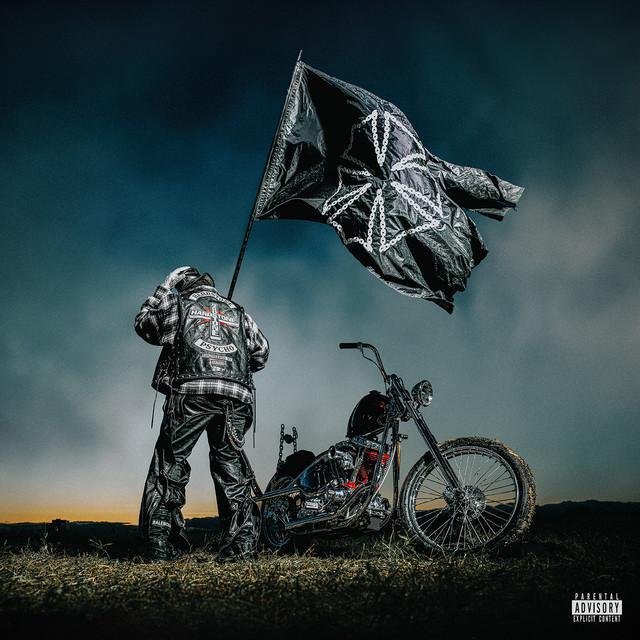
What "TORE UP" Says About Don Toliver's High
The meaning of TORE UP Don Toliver comes down to a feeling more than a plot. The song throws listeners into a blurred night of club lights, ego, desire, and intoxication. Instead of telling a detailed story, it captures a state of mind: overstimulated, confident, and close to losing control.
"TORE UP" - Don Toliver
In the club with some ones and I'm piped up
Shawty got me high, too high
Loading lyrics...
Unable to load lyrics
We're unable to display the lyrics at this time. Please try again later.
That approach fits Don Toliver’s style. They often build songs around atmosphere first, then let the mood explain the message. In "TORE UP," the mood is loud, dizzy, and detached.
The Core Idea Hiding Inside the Chaos
At the center of the song is a simple contrast: the speaker feels powerful, but that power is shaky. They sound untouchable in the club, boosted by attention and whatever has them feeling too high
. Yet the same repeated feeling also suggests excess.
Interpretation: the title phrase is doing double duty. "Tore up" can mean intoxicated, emotionally wrecked, or just completely overwhelmed. The song leans hardest on the first meaning, but the repetition hints at the others too.
That matters because the verses are full of motion without much connection. People come and go. Encounters feel quick. Nothing stays still long enough to become meaningful.
A Nightlife Snapshot, Not a Full Story
The song unfolds like flashes from one long night rather than a beginning-middle-end narrative. A few key beats stand out:
- They enter the club already energized and elevated.
- Another person adds to that feeling of being even more lifted.
- They act invincible, dressed sharply and moving with swagger.
- They leave just as quickly, treating the moment as temporary.
That last detail may be the most revealing. When they say Peace and adios
, the song shows how disposable these interactions are. Even pleasure feels brief.
Why the Hook Matters So Much
The repeated chorus is the whole emotional engine of the track. By saying tore up
again and again, the song stops sounding like a description and starts sounding like a condition. It traps the listener inside the same loop the speaker is living.
Interpretation: this repetition mirrors intoxication itself. Thoughts repeat. Sensations blur. Confidence and confusion become hard to separate.
It also makes the song catchy in a very specific way. Instead of a big lyrical reveal, the hook acts like a pulse. The listener does not learn something new each time. They feel the same rush more intensely.
Confidence, Image, and the Need to Escape
A lot of the verse language centers on image. They are in fresh clothes, in the club, feeling admired, and acting beyond control. A short line like too fly
carries more than style. It suggests elevation, status, and distance from ordinary limits.
But the song undercuts that flexing with restlessness. One of the most interesting lines is the idea that it's where you go
, not where you are. Paraphrased, that suggests movement matters more than presence. They do not want to stay in one emotional place.
Interpretation: this could be read as ambition, but it can also sound like avoidance. If someone is always moving, they never have to sit with what the night actually means.
The Brief Self-Belief Passage Changes the Song
Midway through, the lyrics shift into something almost uplifting. The voice about believing in oneself sounds different from the club scenes around it. Even without a lot of detail, that section stands out because it introduces purpose into an otherwise reckless song.
If you believe in yourself
It will get you through it
This is the one moment that sounds reflective instead of purely reactive. It suggests the speaker sees their rise as earned, not random.
Interpretation: this section can be heard two ways. Either it is a sincere statement of self-confidence, or it is the inner justification that keeps the whole cycle going. In other words, belief becomes motivation, but also maybe an excuse.
How the Sound Carries the Meaning
Even without unpacking every production credit, the song’s likely design tells a lot. Don Toliver is known for melodic trap, psychedelic textures, and vocal layering across releases documented by sources like Billboard and AllMusic. "TORE UP" fits that lane: repetitive phrasing, a club-ready rhythm, and a vocal delivery that turns mood into melody.
The production style matters because the song is not trying to sound grounded. It wants to feel airborne, woozy, and compressed around one sensation. The beat likely supports that with a hard low end and a floating top layer, while the vocals glide instead of hitting with sharp edges.
That creates an important effect. The listener hears freedom, but also numbness. The music lifts the speaker up while the lyrics show how thin that high can be.
Artist Context Helps Explain the Message
The writers listed in the prompt are Evan Hood, Sample, Caleb Toliver, and Matthew Spatola. Caleb Toliver is Don Toliver’s given name, so the song clearly reflects their established writing persona: glamorous, melodic, and emotionally slippery.
That persona is part of why the song works. Don Toliver often makes songs where pleasure and loneliness sit side by side. Even when the lyrics stay simple, the vocal tone adds ambiguity. They can sound thrilled and worn down at once.
So the meaning of TORE UP Don Toliver is not just "having fun." It is about what happens when fun becomes identity, when the rush becomes the only stable thing in the room.
Final Take on "TORE UP"
In the end, "TORE UP" captures a high that feels exciting and empty at the same time. It presents club life as a loop of confidence, stimulation, and instant escape. The song’s real strength is that it never fully decides whether this lifestyle is empowering or damaging.
That tension is what gives the track meaning. They sound in control, but the song keeps hinting that the night is controlling them too.
Disclaimer: This interpretation is based on the lyrics provided, Don Toliver’s broader style, and common lyrical analysis. Song meanings can vary from listener to listener.








