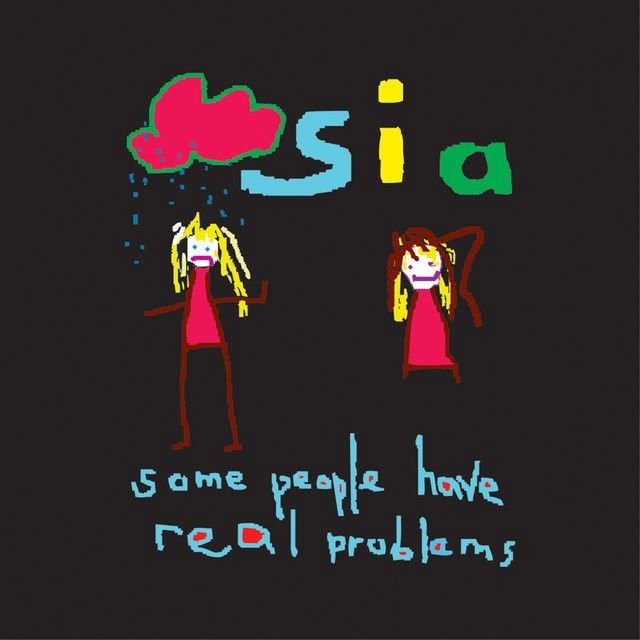
What "Lullaby" by Sia Is Really Saying
A soft title with a hard message
The meaning of Lullaby Sia is less about sleep than comfort during emotional struggle. Even with its gentle title, the song reads like advice given to someone who has tried, failed, and still needs to keep going.
"Lullaby" - Sia
Do the work and you'll go far
Send a wish upon a star
Loading lyrics...
Unable to load lyrics
We're unable to display the lyrics at this time. Please try again later.
Sia is widely known as a pop songwriter and performer whose work often blends pain, survival, and uplift, as seen across her career and credits documented by sources like Britannica and GRAMMY.com. In this lyric, they build a voice that sounds caring but unsentimental. The song offers rituals for coping: wishing, hoping, asking, writing, and letting go.

Watch the official Lullaby
music video
The core idea behind the song
At its heart, the song is about how people live with disappointment without giving up their moral center. The verses keep suggesting small acts of belief. Phrases like Send a wish upon a star
and Send a hope upon a wave
do not promise magic. Instead, they sound like ways to survive when real answers are out of reach.
Interpretation: the speaker seems to be guiding someone through grief, regret, or burnout. They are not saying life will suddenly improve. They are saying a person can still choose intention, memory, and kindness.
That is why the lyric keeps moving from dreamlike images to practical ones. First there is a wish, then a map. First there is a question, then an answer given to a friend. The song suggests that healing starts in imagination but must end in action.
The verses move from hope to accountability
One reason the song feels heavier than its title is the mention of failure. The line about the souls someone failed to save
introduces guilt. This is not just sadness. It is the burden of believing they should have done more.
That makes the song’s advice more meaningful. It does not speak to an innocent person. It speaks to someone carrying mistakes.
A short map of the emotional journey
The verses seem to move in this order:
- They begin with hope and ambition.
- They turn toward loss and regret.
- They ask for reflection and honest memory.
- They end by urging release rather than self-destruction.
The strongest image of release comes near the end of that sequence:
Place your past into a book
Burn the pages let them cook
Paraphrased, the idea is not to erase history but to transform it. The past is written down, faced directly, and then symbolically destroyed so it no longer rules the present.
Why the chorus matters so much
The chorus is the emotional center. When the song says you stood tall
and then now you will fall
, it accepts collapse as part of being human. That is a striking message because the song does not treat falling as shameful.
Instead, the next thought asks the listener not to ruin the deeper purpose of a life spent trying to do good. In plain terms, the song says: yes, people fail. But failure does not cancel the value of sincere effort.
Interpretation: this may be the key to the meaning of Lullaby Sia. The real comfort in the song is not “everything will be okay.” It is “trying to do well still matters, even after you fall.” That makes the lullaby less like a bedtime song and more like an ethical reminder whispered during a crisis.
Symbols that carry the meaning
The imagery is simple, but it does a lot of work. Each symbol points to a different part of recovery:
- Star: distant hope or guidance.
- Wave: change, motion, and emotional uncertainty.
- Wind: questions with no fixed answer.
- Book: memory, confession, and self-examination.
- Fire: release, cleansing, and transformation.
These are old, almost fairy-tale symbols. That matters because lullabies often use simple images to hold difficult feelings. Here, Sia uses that childlike frame to discuss adult burdens like guilt, mortality, and moral exhaustion.
How the sound likely supports the lyric
Based on the lyric alone and Sia’s pop style, the song’s title suggests a contrast between soothing form and serious content. That contrast is common in Sia’s work: a tender melodic surface often carries raw emotional material.
Interpretation: if the production leans soft, repetitive, or hymn-like, that would fit the song’s message. A lullaby structure can calm the listener while the words confront pain. Repetition in the chorus would also reinforce the idea that reassurance is something people need to hear more than once.
Even without detailed production credits available here, the writing itself is musical in a lullaby-like way. The repeated openings—wish, hope, question, past—create a rocking motion. That pattern feels almost like breathwork, which matches the song’s attempt to soothe someone in distress.
Artist context helps explain the tone
Sia has often written songs that balance vulnerability with survival. Coverage of her career by outlets such as Rolling Stone and Billboard frequently notes this tension between fragility and strength. That broader context supports reading “Lullaby” as a comfort song for damaged people, not a naive fantasy.
The lyric also avoids blame. Even when it mentions failure, it does not become cruel. That compassion is important. The speaker sounds like they understand that people can break while still being worthy of gentleness.
A second possible reading
There is another valid reading. Interpretation: the song may also speak to artists, caregivers, or anyone with a strong sense of responsibility. References to not saving everyone and to preserving the spell of a life spent doing good can fit people who feel crushed by impossible expectations.
In that reading, the song becomes a warning against defining self-worth only by outcomes. A person can work with love and still lose. They still deserve rest.
Why the song lingers
The meaning of Lullaby Sia lasts because it offers comfort without lying. It admits collapse, regret, and unanswered questions. But it also argues that hope is still worth sending out into the world.
That balance is what gives the song emotional weight. It is a lullaby for people who cannot sleep because they are replaying what went wrong.
Disclaimer: This interpretation is based on the publicly available lyrics and general artist context. As with most songs, listeners may hear different meanings in the same words.