Why 'Epitaph' Still Sounds Like the End
The meaning of Epitaph King Crimson lies in how it turns public disaster into private fear.
"Epitaph" - King Crimson
Provided by LyricFindThe wall on which the prophets wrote
Is cracking at the seams
Upon the instruments of deathLoading...Loading lyrics...
Unable to load lyrics
We're unable to display the lyrics at this time. Please try again later.
A Warning Written in Ruins
When people ask about the meaning of Epitaph King Crimson, they are usually hearing two songs at once. One is a political warning about war, failed leadership, and a culture drifting toward collapse. The other is a deeply human song about what that collapse does to the mind.
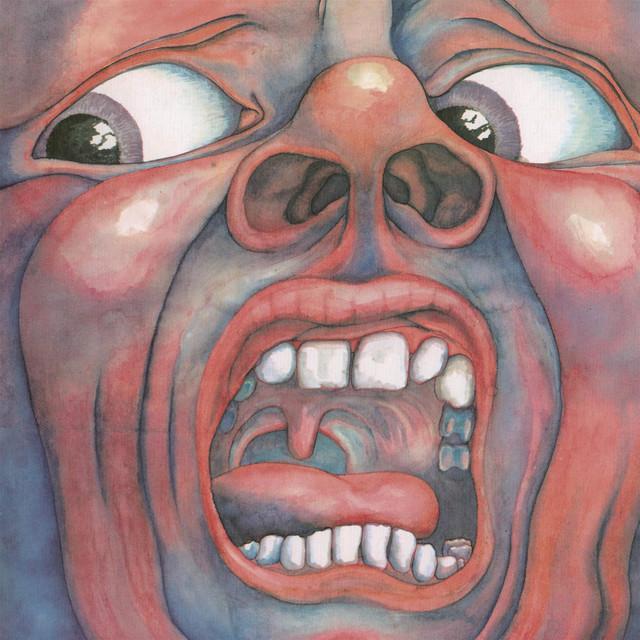
Released on King Crimson’s 1969 debut, In the Court of the Crimson King, the track is often described as dystopian and tied to Cold War anxieties. Reference sources note that its lyrics carry a protest mood and that the song’s huge Mellotron sound became one of its signatures. It was written by Robert Fripp, Ian McDonald, Greg Lake, and Michael Giles, with lyrics by Peter Sinfield.
At its core, the song imagines a world where wisdom is failing and violence is no longer hidden. That is why images like cracking at the seams
and instruments of death
hit so hard. They suggest a society that still looks grand on the surface, but is already splitting apart underneath.
Watch the official Epitaph
music video
The Chorus Turns History Into Personal Fear
The key line is Confusion will be my epitaph
. Before and after that phrase, the song paints large historical scenes, but the chorus shrinks everything down to one person trying to survive it.
Interpretation: this is why the chorus feels so devastating. The singer is not just predicting social disaster; they are admitting that the age has entered their inner life. The future is no longer abstract. It has become emotional, immediate, and frightening.
The repeated fear of tomorrow
matters too. Instead of offering a heroic response, the song gives uncertainty. That choice makes it feel honest. Many protest songs point toward action. “Epitaph” points toward dread, which may be why it still feels modern.
Prophets, Fools, and Broken Systems
The verses are full of images that sound biblical, political, and theatrical at once. The opening suggests that old truths are no longer holding. The line about prophets writing on a wall implies that warnings already existed, but people either ignored them or arrived too late.
A later section sharpens the point with the hands of fools
. The song does not name a specific leader or nation. Instead, it describes a pattern: powerful people make reckless choices, and everyone else lives with the consequences.
That broadness is part of the song’s strength. It fits the late 1960s, with nuclear fear and global political strain, but it also speaks to any era where institutions seem weak and decision-makers seem unfit.
How the Story Moves From Public Chaos to Inner Collapse
One useful way to read the song is as a short sequence:
- The world shows signs of breakdown.
- War and power are treated as normal facts.
- Knowledge exists, but wisdom does not.
- The individual realizes they may not escape unchanged.
That fourth step is the emotional twist. The song is not only asking whether civilization will make it. It is asking what kind of emotional scars remain even if people survive.
Confusion will be my epitaphAs I crawl a cracked and broken pathIf we make ittomorrow, I'll be crying
Even in this central moment, the song balances bitter humor and despair. There is a tiny flash of survival in If we make it
, but it sounds fragile, almost sarcastic. Hope appears, then quickly folds back into grief.
The Sound Makes the Apocalypse Feel Noble
Part of what makes “Epitaph” unforgettable is its arrangement. The track is especially known for Ian McDonald’s Mellotron, supported by piano, woodwinds, guitar, bass, and Michael Giles’s measured drumming. That orchestral weight helps explain why the song feels larger than a standard rock ballad.
The Mellotron matters because it creates a grand, mournful backdrop. Instead of sounding raw or chaotic, the music sounds ceremonial. That gives the lyrics a strange dignity, as if the world is collapsing in slow motion while someone records the tragedy for history.
Greg Lake’s vocal also shapes the meaning. They sing with control rather than panic. That restraint keeps the song from feeling melodramatic. The emotion is serious, but never exaggerated.
Why It Became a Progressive Rock Landmark
“Epitaph” is the third track on In the Court of the Crimson King, an album often credited with helping define early progressive rock. Its long form, literary lyrics, and layered instrumentation show why. The song is not content to describe a feeling in simple terms. It builds a whole worldview.
Its legacy also comes from how flexible its warning is. Heard in 1969, it sounded like Cold War dread. Heard later, it can feel like a response to misinformation, political paralysis, or cultural burnout. That does not mean every reading is equally certain, but it does explain why the song keeps returning in discussion.
A Final Reading of the Song’s Meaning
The best answer to the meaning of Epitaph King Crimson is that it describes a civilization losing moral clarity, and a person who knows they may be psychologically damaged by living through it.
Interpretation: the word “epitaph” suggests a summary written after death. In this song, confusion becomes the summary not just of one life, but of an era.
That is why “Epitaph” still lands so hard. It does not promise rescue. It simply names the terror of seeing the danger clearly.
Disclaimer: This interpretation separates documented facts about the song from critical reading of its imagery. As with most lyrics, some meaning remains open to the listener.







